 Listicle
7 Best Luxury Vinyl Plank Brands 2026: A Buyer's Guide
Last Updated: November 4, 2026
Quick Summary
COREtec is our top overall luxury vinyl plank brands pick for comfort and quiet, thanks to attached cork backing on several products. Shaw Floorté leads on wear-layer durability with options up to 30 mil, and Mohawk SolidTech is the stronger choice in humid climates.
- 20 mil is the common wear layer across premium collections, so core type and warranty language become the differentiators.
- SPC cores resist indentation better, making them the safer pick under heavy furniture than WPC cores.
- Skipping acclimation is the most common cause of gapping at seams after installation.
- Ask for the spec sheet on the exact SKU, since wear layer varies within a single brand.
- Installation matters at least as much as brand, with subfloor flatness and expansion gaps driving performance.
Table of Contents
- How We Ranked the Best Luxury Vinyl Plank Brands for 2026
- Top Luxury Vinyl Plank Brands at a Glance
- 1. COREtec: Best Overall for Comfort and Quiet
- 2. Shaw Floorté: Best for Wear-Layer Durability
- 3. Mohawk SolidTech: Best for Humid Climates
- 4. Karndean: Best for Realistic Wood Visuals
- 5. Mannington: Best for Style Selection
- 6. Armstrong: Best for Established Reliability
- What Most Buyers Get Wrong About LVP Brands
- Frequently Asked Questions
How We Ranked the Best Luxury Vinyl Plank Brands for 2026
Luxury vinyl plank brands are often compared on wear layer, core construction, moisture performance, and warranty coverage.
Luxury vinyl plank is a layered synthetic floor designed to look like hardwood: a wear layer on top, a printed visual layer below, and a rigid core underneath.
Coastal homeowners often need floors that handle humidity, salt air, and pets, so specifications matter as much as style when judging a brand.
Our Selection Criteria
We scored each brand on four factors:
- Wear layer thickness, measured in mil, since this determines scratch and stain resistance
- Core construction, whether WPC or SPC, and how each handles moisture and temperature swings
- Warranty coverage, both residential and commercial terms
FTC guidance on advertising claims requires manufacturers to back durability claims, so a vague spec sheet is a warning sign.
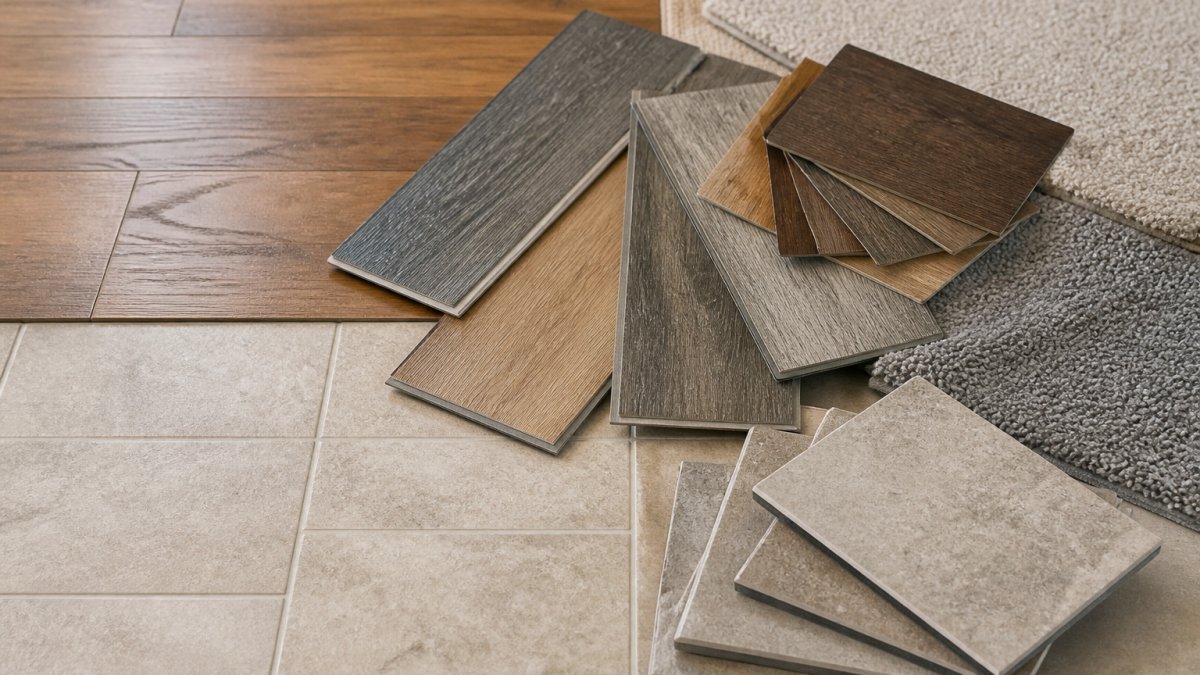
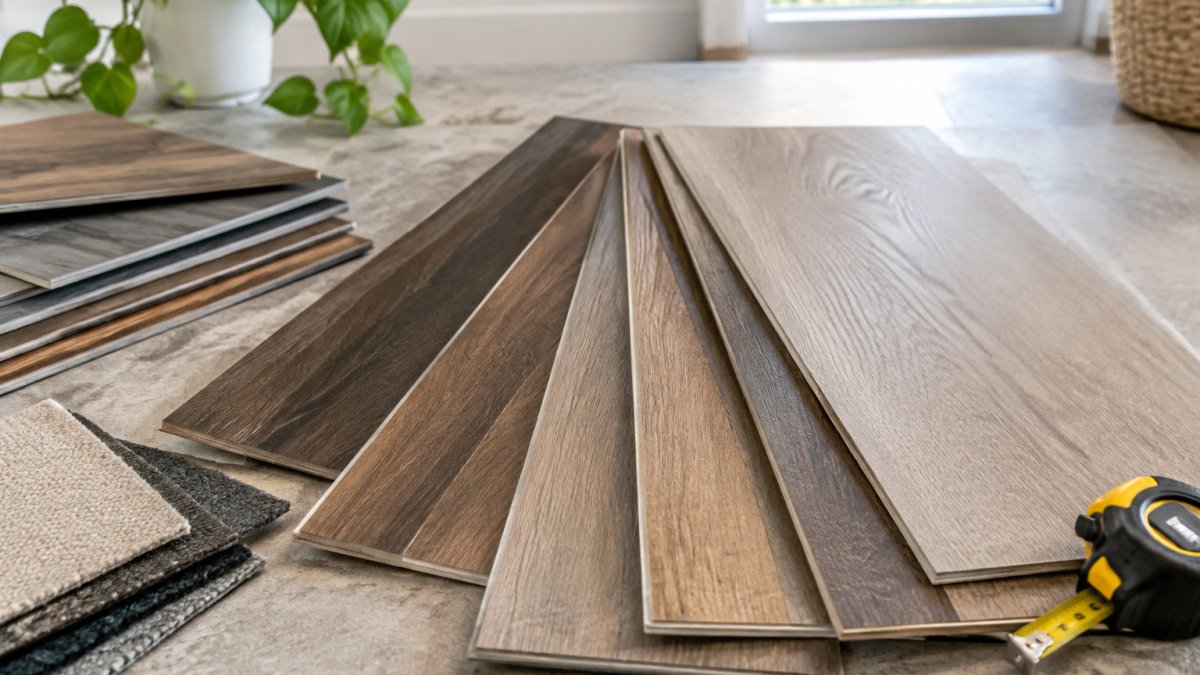
If you want to see these floors in person rather than on a screen, explore premium flooring solutions with our team.
Top Luxury Vinyl Plank Brands at a Glance
| Brand | Standout Strength | Wear Layer | Core Type | Best For |
|---|---|---|---|---|
| COREtec | Attached cork backing | Varies by line | WPC and SPC options | Comfort and quiet |
| Shaw Floorté | Wear layer up to 30 mil | Up to 30 mil | Rigid core | High-traffic durability |
| Mohawk SolidTech | Moisture performance | Varies by line | Rigid polymer core | Humid climates |
| Karndean | Realistic visuals | Varies by line | Rigid core | Wood-look realism |
| Mannington | Style breadth | Varies by line | Rigid core | Design choice |
| Armstrong | Track record | Varies by line | Rigid core | Proven reliability |
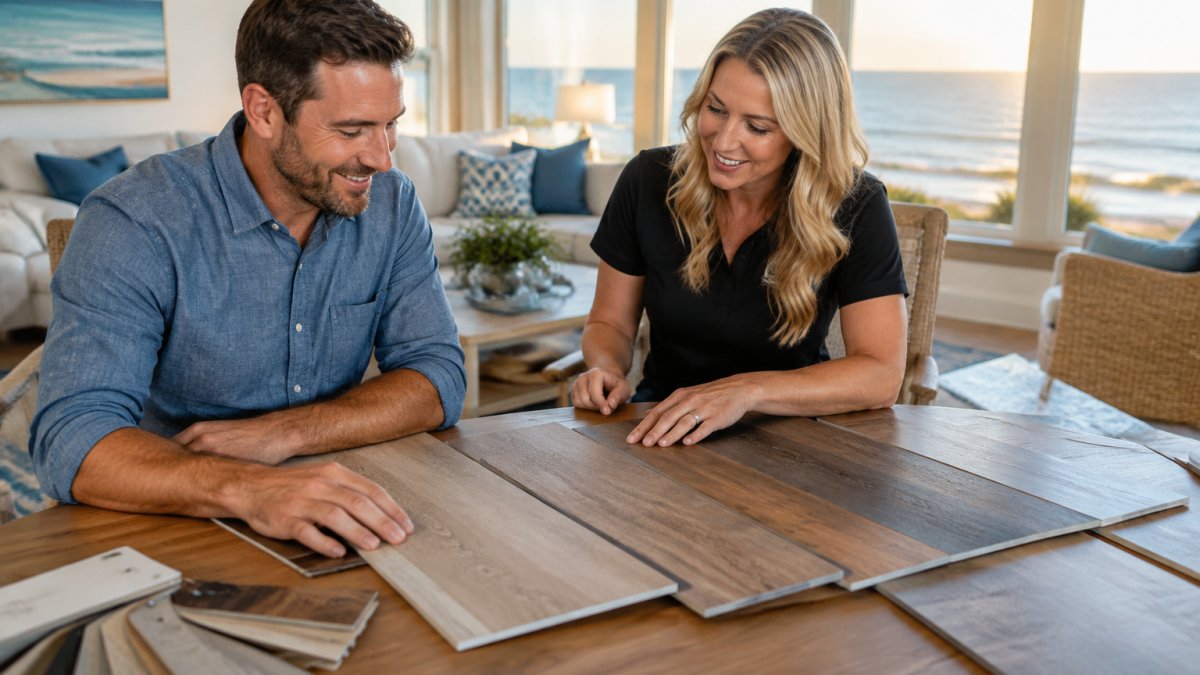
What the table cannot show is installed cost. Plank price and installation labor vary by room size, subfloor condition, and layout complexity, so check what LVP installation costs before you commit to a brand.
Feature Comparison Table
The comparison above uses published manufacturer specs. Where a brand does not publish a wear-layer figure for a specific product line, we marked it as varying rather than guessing, because wear layer is the single best predictor of how a floor holds up under dogs, chairs, and dropped tools.
A Like-for-Like Comparison Most Brand Roundups Skip
Brand-level tables hide the decision that actually matters: which specific collection fits your room. The same brand can sell a 12 mil bedroom plank and a 28 mil commercial plank under one logo.
| Brand and Collection | Wear Layer | Core Type | Attached Underlayment | Residential Warranty | Typical Material Price |
|---|---|---|---|---|---|
| COREtec Plus | 20 mil | WPC | Attached cork | Limited lifetime residential | Mid-to-premium |
| COREtec Pro Plus | 20 mil | SPC | Attached cork | Limited lifetime residential | Mid-to-premium |
| Shaw Floorté Pro | 20 mil | SPC | Attached pad on select SKUs | Limited lifetime residential | Mid |
| Shaw Floorté Elite | 30 mil | SPC | Attached pad on select SKUs | Limited lifetime residential | Premium |
| Mohawk SolidTech Plus | 20 mil | SPC | Attached pad on select SKUs | Limited lifetime residential | Mid |
| Karndean Korlok | 20 mil | SPC | Pre-attached acoustic backing | Limited lifetime residential | Premium |
| Mannington Adura Max | 20 mil | WPC | Attached underlayment | Limited lifetime residential | Mid-to-premium |
| Armstrong Pryzm | 20 mil | WPC | Attached underlayment | Limited lifetime residential | Mid-to-premium |
Three patterns stand out. First, 20 mil is the common floor across premium collections, so the differentiator shifts to core type, attached underlayment, and warranty language. Second, WPC collections such as COREtec Plus and Mannington Adura Max feel warmer and quieter, while SPC collections such as COREtec Pro Plus, Shaw Floorté Pro, and Karndean Korlok feel denser and resist indentation better. Third, attached underlayment is not universal even within one brand, so the same collection name can ship with and without a pad depending on the SKU.
Watch out: a brand that publishes a 30 mil wear layer on one collection may publish 12 mil on another, and retailers sometimes quote the brand's best number while selling the entry-level plank.
Total Installed Cost, Not Just Plank Price
A practical installed-cost breakdown for a typical 200-square-foot room includes:
- Material: plank cost per square foot, plus 10 percent waste for cuts and future repairs
- Underlayment: attached pads eliminate a separate line item; loose underlayment adds cost and thickness
- Subfloor preparation: grinding high spots, filling low spots, and moisture testing on a slab
Because those line items vary so much by home, the honest comparison is installed cost per square foot, not shelf price per plank. Get a written estimate that separates material from labor and prep so you can compare brands on equal footing.
1. COREtec: Best Overall for Comfort and Quiet
COREtec is a line often chosen for comfort because it addresses the common complaint that rigid floors feel hard and sound hollow.
That cork backing is not decoration.
The trade-off is thickness. A floor with attached underlayment sits higher, which can affect door clearance and transitions to adjacent rooms.
Best for: homeowners who want warmth and quiet underfoot. Skip if: you need the thinnest possible profile for tight transitions.
2. Shaw Floorté: Best for Wear-Layer Durability
Shaw Floorté is one line shoppers look at for thicker wear layers, with some products listed up to 30 mil.
Here is the catch most buyers miss. The 30 mil figure does not apply to every Floorté product.
Wear layer thickness is the clearest guide to scratch resistance: thin wear layers show scratches from grit tracked in from outside, while thick ones shrug it off.
Best for: pet owners and high-traffic rooms. Skip if: you are shopping the entry-level collection and expecting commercial specs.
3. Mohawk SolidTech: Best for Humid Climates
SolidTech is Mohawk's dedicated LVP line.
Rigid cores are generally more dimensionally stable than traditional laminate because the core is polymer-based rather than wood-based.
Watch out: no rigid plank tolerates standing water at the seams over time. Humidity is one thing; a leaking dishwasher is another.
For a deeper look at coastal conditions, read our guide to flooring for humid coastal homes and the moisture-resistant flooring guide for beach homes.
Best for: beach houses and rooms with seasonal humidity. Skip if: you expect the floor to handle pooling water.
4. Karndean: Best for Realistic Wood Visuals
Karndean is often noted in brand roundups for its wood-look visuals.
Realistic visuals are not vanity.
The limitation is that visual realism tells you nothing about wear layer. Judge Karndean on style, then check the spec sheet for the collection you actually want.
Best for: buyers who care most about how the floor looks. Skip if: you are choosing purely on wear-layer numbers.
5. Mannington: Best for Style Selection
Mannington is known for range of styles.
More collections mean more chances to match an existing hardwood, a cabinet finish, or a tile transition, a practical advantage, not a cosmetic one.
The honest limitation: broad catalogs make it easy to compare the wrong products.
Best for: whole-home projects that need floors to coordinate. Skip if: you want one simple, single-line choice.
6. Armstrong: Best for Established Reliability
Armstrong is a long-established flooring brand. For buyers who want a name with a long track record, that history is the appeal.
Reliability is hard to measure from a spec sheet.
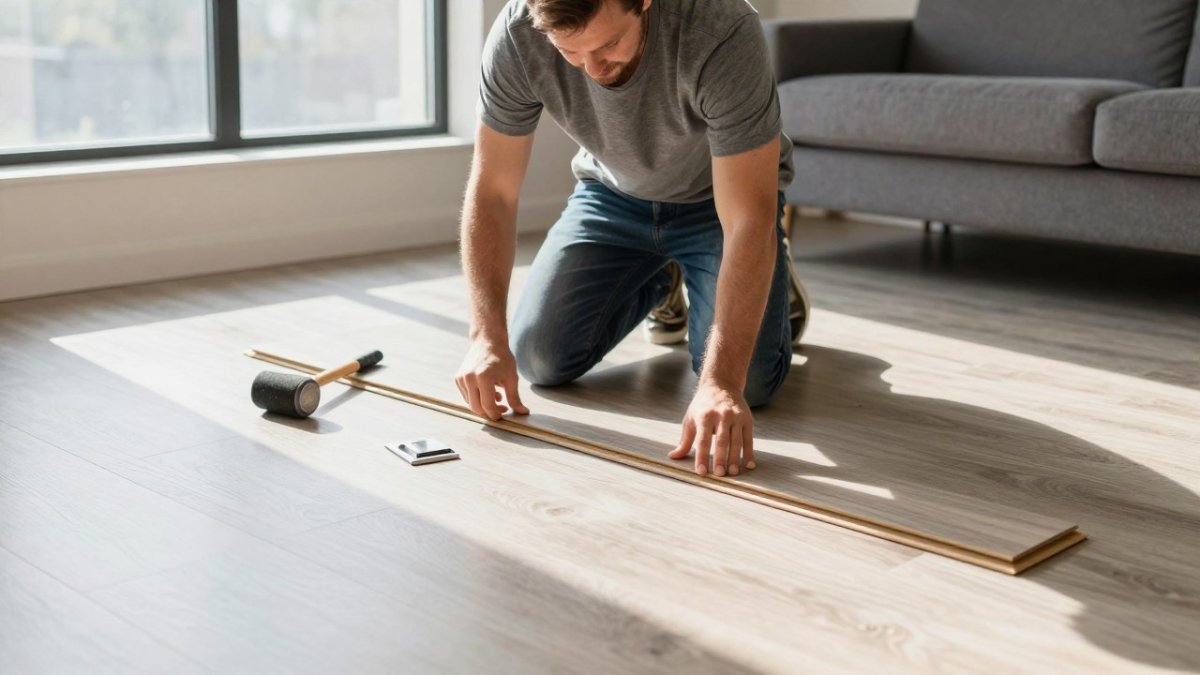
Once you have picked a brand, the next decision is who installs it. Here is why professional flooring installation is worth it.
Best for: buyers who value a proven name and clear warranty terms. Skip if: you want the newest entrant on the market.
What Most Buyers Get Wrong About LVP Brands
Many LVP failures stem from installation issues rather than brand defects. Gapping, buckling, and peaking usually trace back to a subfloor that was not flat, an expansion gap that was too small, or a floating floor installed over too much moisture.
A few practical rules:
- Check the wear layer, not the brand. A premium name with a 12 mil wear layer underperforms a mid-tier name with 20 mil in a busy room.
- Match the core to the room. SPC cores are denser and handle temperature swings; WPC cores feel softer underfoot.
- Respect the expansion gap. Rigid planks move. Pinch them against a wall and they will buckle in summer.
A common mistake is buying on style and installing on hope. The spec sheet answers the questions the sample cannot.
What Long-Term Ownership Actually Looks Like
The following failure patterns are commonly reported in installed LVP and are worth planning around:
- Gapping at seams usually traces to acclimation skipped before installation or a floating floor installed over a subfloor with too much moisture; planks not allowed to adjust to room temperature and humidity can shrink or swell after the job is done.
- Buckling and peaking almost always come from an expansion gap that was too small or a floor pinned under baseboards and door casings. Rigid planks need room to move; a floor installed tight in summer can peak in winter.
- Denting is more common on WPC cores under heavy point loads such as piano legs or appliance feet. SPC cores resist indentation better, which is why they are the safer pick under heavy furniture.
Keep installation records and moisture readings, since warranty claims often depend on them.
Climate, Sunlight, and Installation Constraints
LVP is not climate-neutral. The same plank that performs in a basement can fail in a sunroom, and the constraints are published but rarely discussed in brand roundups:
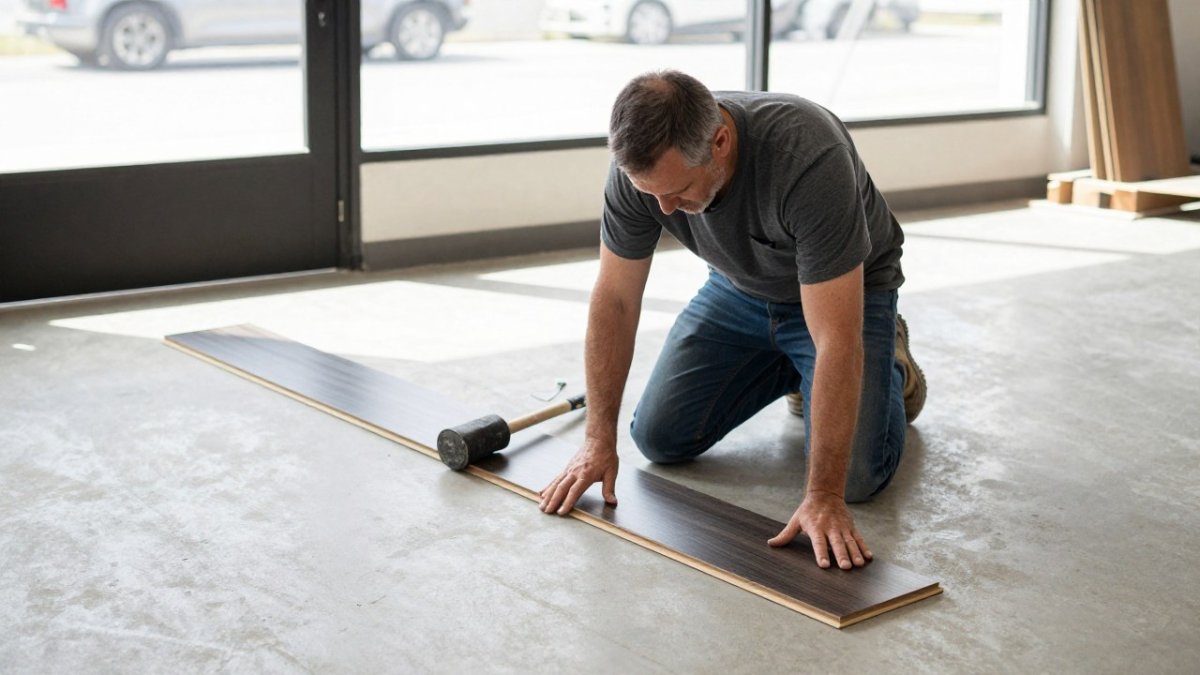
- Acclimation: most manufacturers require planks to sit in the room at normal living temperature for a set period before installation. Skipping it is the most common cause of gapping.
- Temperature limits: rigid planks have a service temperature range, and installations in unheated spaces such as garages or three-season rooms may fall outside it.
- Direct sun: large windows and glass doors can raise surface temperatures enough to stress seams. Check whether the collection is rated for direct-sun exposure before installing in a sunroom.
How to Read Durability Claims
Manufacturer specs and independent test results are not the same thing. A wear layer figure is a manufacturer specification; how a floor performs under real traffic depends on the core, the installation, and the subfloor. FTC guidance on advertising claims requires manufacturers to back durability claims, so a vague spec sheet is a warning sign. When a brand cites a test standard, ask which standard and whether the result applies to the collection you are buying or to a different product in the line.
Indoor Air and Material Disclosures
LVP is a synthetic product, and indoor air quality is a fair question. Many collections carry low-emission certifications and publish material disclosures, but the certifications vary by collection and by manufacturing batch. Ask for the current certification for the exact SKU, and ventilate the home during and after installation. For households with chemical sensitivities, request the safety data sheet before ordering.
Frequently Asked Questions
What are the best luxury vinyl plank brands in 2026?
For 2026, the most frequently recommended luxury vinyl plank brands include COREtec, Shaw Floorté, Mohawk SolidTech, Karndean, Mannington, Armstrong, and Karastan. COREtec stands out for comfort with its attached cork layer, while Shaw Floorté is noted for wear layers up to 30 mil. The best choice depends on your priorities: moisture resistance for coastal homes, scratch resistance for pet owners, or realistic visuals for design-focused renovations.
How do I choose the right wear layer for luxury vinyl plank?
Use the luxury vinyl plank wear layer thickness guide as a starting point. A 12 mil wear layer suits light residential use, 20 mil handles busy households with pets and kids, and 28 mil or higher is built for commercial spaces or heavy traffic. Thicker wear layers resist scratches and stains better over time, which matters in rentals and homes with animals.
What is the difference between WPC and SPC luxury vinyl flooring?
WPC (wood plastic composite) cores are softer and warmer underfoot, often with attached underlayment for sound absorption. SPC (stone plastic composite) cores are denser and more rigid, making them more resistant to indentation and temperature swings. For humid coastal climates, SPC is often preferred because it expands and contracts less, while WPC offers more comfort in living areas.
Are luxury vinyl planks waterproof or just water-resistant?
Most rigid-core luxury vinyl planks are waterproof, meaning the plank itself will not swell or warp when exposed to water. However, water can still seep through seams and edges into the subfloor if standing water is left unattended. Proper installation with tight locking systems and sealed expansion gaps helps maintain the floor's water resistance over time.
How much does LVP flooring cost per square foot in 2026?
LVP flooring cost per square foot in 2026 varies by brand, wear layer, and installation method. Budget lines typically run lower, while premium brands with thicker wear layers and attached underlayment cost more. Total installed cost also includes subfloor preparation, underlayment, and labor. Contact Floor Coverings International of Myrtle Beach for a quote on your specific project.