 Listicle
What Is the Most Durable Flooring for Active Families?
Last Updated: November 2, 2026
Quick Summary
The most durable flooring for active families is luxury vinyl plank for waterproof resilience, porcelain tile for indestructible high-traffic zones, and laminate for budget-friendly scratch resistance. For kid zones, choose LVP with a wear layer of 12 mil or higher. Porcelain tile and LVP also suit pets, while solid hardwood does not.
- Luxury vinyl plank wins for families with kids because it is waterproof and softens falls better than tile.
- Pet-friendly flooring needs scratch resistance, waterproofing, and a surface that hides claw marks.
- Porcelain tile and LVP tolerate wet mopping, while hardwood needs dry care and prompt spill attention.
- Porcelain tile is judged by PEI wear rating and water absorption below 0.5% for waterproof status.
- Buy and store extra material from the same production run to make future repairs possible.
Table of Contents
- Durable Flooring Options for Active Families: Quick Comparison
- Best Flooring for Families With Kids
- Pet-Friendly Flooring Options That Survive Claws and Accidents
- Easy-to-Clean Flooring for Families: What Wipes Up Fastest
- Durable Flooring for High-Traffic Areas: Room-by-Room Picks
- Luxury Vinyl Plank, Hardwood, Laminate, and Tile: Specs That Decide
- Lifecycle Cost, Repairability, and Indoor Air Quality
- Book an In-Home Flooring Consultation
- Frequently Asked Questions
Durable Flooring Options for Active Families: Quick Comparison
Choosing durable flooring options for active families comes down to matching material to the mess: luxury vinyl plank for waterproof resilience, porcelain tile for indestructible high-traffic zones, and laminate for budget-friendly scratch resistance.
Here is the short version before we break down the details.
| Material | Scratch Resistance | Water Resistance | Best Rooms | Maintenance |
|---|---|---|---|---|
| Luxury vinyl plank | High | Waterproof | Kitchen, bath, mudroom | Damp mop |
| Porcelain tile | Very high | Waterproof | Entry, bath, laundry | Sweep and mop |
| Laminate | High | Water-resistant | Living, bedrooms | Dry mop |
| Engineered hardwood | Medium | Low | Dining, living | Dry care only |
| Solid hardwood | Medium | Low | Living, dining | Refinish over time |
Durable flooring is any surface engineered to resist scratches, dents, moisture, and daily wear without losing its finish.
Below, we walk through each material by room, lifestyle, and real-world abuse.
Best Flooring for Families With Kids
Luxury vinyl plank wins for families with kids because it combines waterproof construction with a wear layer that shrugs off dropped toys and spilled juice.
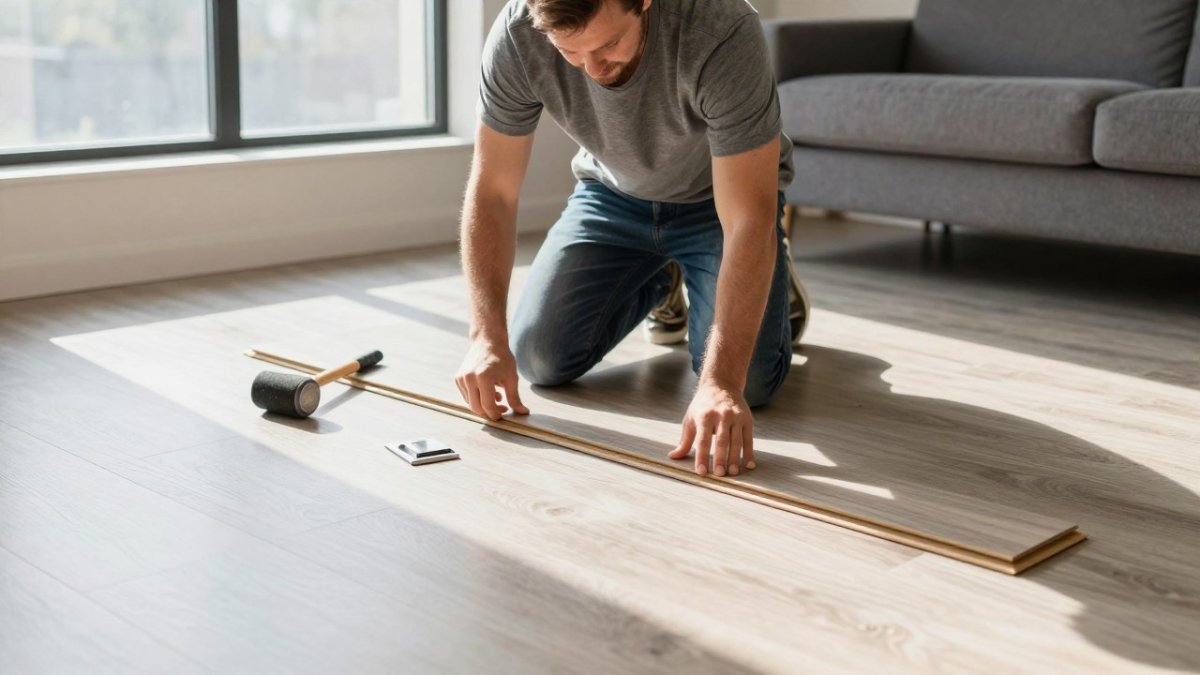
Laminate runs a close second on a tighter budget. Lowe's flooring buying guide describes laminate as durable and scratch-resistant, with a click-together install that DIY-minded parents can manage over a weekend.
What most guides miss is the wear layer number. Thicker wear layers, such as 12 mil or higher on LVP, are generally recommended for kid zones.
Best for: playrooms, hallways, and family rooms where spills and dropped sippy cups are routine. Skip if: you want a floor you can sand and refinish decades from now.
Pet-Friendly Flooring Options That Survive Claws and Accidents
Pet-friendly flooring needs three things: scratch resistance, waterproofing, and a surface that hides claw marks between cleanings. Porcelain tile and luxury vinyl plank both clear that bar; solid hardwood does not.
Montgomery's family-friendly flooring guide highlights LVP's waterproof durability and easier maintenance, which matters when a dog tracks in wet sand or a cat misses the litter box.
For deeper guidance on matching surfaces to paws and accidents, our team put together a full breakdown on choosing pet-friendly flooring for dogs.
Watch out: high-gloss finishes show every scratch and paw print. Choose a matte or textured surface if you have large dogs.
Easy-to-Clean Flooring for Families: What Wipes Up Fastest
Tile and luxury vinyl plank are generally easy to clean because they tolerate a wet mop well. Laminate is typically best cleaned with a damp mop, and hardwood typically needs dry care and prompt spill attention.
Routine cleaning generally breaks down simply:
- Porcelain tile: sweep, then mop with a pH-neutral cleaner
- Luxury vinyl plank: vacuum, then damp mop; avoid steam
- Laminate: dry mop or damp cloth; never soak
The difference shows up in daily use. A spilled glass of milk on tile is a paper towel and done. On hardwood, it is a race against moisture.
Durable Flooring for High-Traffic Areas: Room-by-Room Picks
High-traffic areas need the toughest surface you can afford, matched to the room's moisture exposure and the specific kind of abuse it takes.
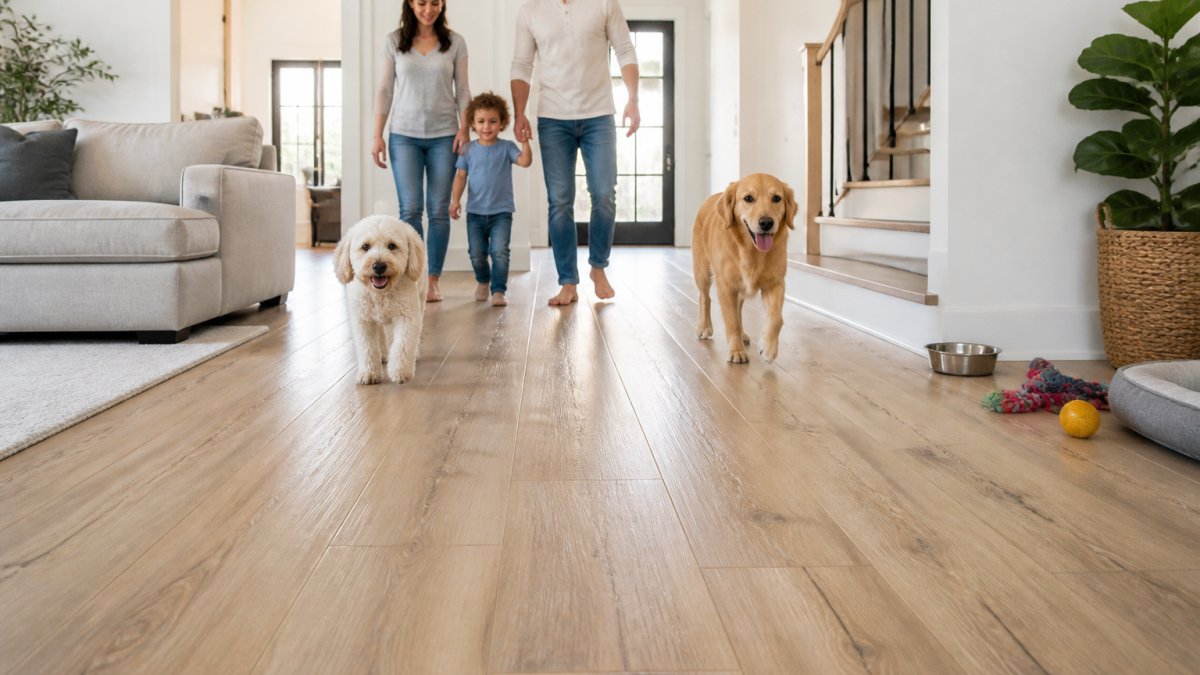
The four stressors that decide the material
- Abrasion, grit, sand, and pet claws acting like sandpaper. This is what wears through a finish in doorways and at the edges of rugs first.
- Point loads, dropped pans, furniture legs, cleats, and heavy toys. Rigid cores and dense tile resist dents; thin vinyl and soft wood do not.
- Standing water, splashes, overflows, wet paws, and mopping. This separates waterproof from water-resistant from water-sensitive.
Room-by-room assignments
- Entryway and mudroom: porcelain tile or wood-look tile. These zones take grit, wet boots, and pet traffic simultaneously, and tile tolerates a wet mop without swelling. Use a textured or matte finish, polished tile is slick when wet. A walk-off mat at the door does more for longevity here than any upgrade.
- Kitchen: luxury vinyl plank with a rigid core. It handles dropped pans, splashes, and frequent damp mopping, and plank-level replacement means one damaged board is a spot fix rather than a floor replacement. Avoid laminate directly in front of the sink and dishwasher, where standing water is routine.
- Bedrooms: durable carpet for underfoot warmth and noise reduction. For high-traffic carpet zones, our guide to durable carpet options for high-traffic areas covers fiber and backing choices in more detail.
Subfloor and moisture conditions change the answer
A room's material choice is only as good as what is underneath it. Concrete slabs wick moisture; wood subfloors move with humidity. Before installation, a moisture test (a calcium chloride test or an in-situ probe on concrete) tells you whether a moisture barrier or a different adhesive is required. Skipping this step is the most common reason a floor that "should have lasted" fails early, and it is invisible in a showroom sample.
The takeaway: assign each room to its dominant stressor, then pick the material that resists that stressor rather than the one with the best overall marketing. A floor that is perfect in the kitchen can be the wrong call in the mudroom.
Luxury Vinyl Plank, Hardwood, Laminate, and Tile: Specs That Decide
Specifications, not marketing copy, determine how a floor performs. Four numbers decide most of it.
Luxury vinyl plank performance hinges on wear layer thickness (12 mil and up for busy homes), core construction (rigid core resists dents), and waterproof rating. Laminate depends on its wear layer and core density; Consumer Reports' tested flooring recommendations include laminate and porcelain tile among the categories it tests, which helps separate real durability from label claims.
Porcelain tile is judged by its PEI wear rating and water absorption (below 0.5% is the waterproof standard). Hardwood and engineered hardwood live or die on finish hardness and, for engineered, the thickness of the top veneer that allows refinishing.
Ask for the spec sheet before you buy. A beautiful sample tells you nothing about the wear layer.
Lifecycle Cost, Repairability, and Indoor Air Quality
Long-term value comes from three factors most flooring comparisons skip: how long the floor lasts, how easily it can be repaired, and what it emits indoors. Each one changes the real cost of ownership far more than the sticker price per square foot.
Lifecycle cost: the number that actually matters
A floor's true cost is purchase plus installation plus maintenance plus repair plus replacement, divided by the years it serves. Broad "affordability" claims hide the fact that a cheaper floor replaced twice can cost more than a pricier floor installed once.
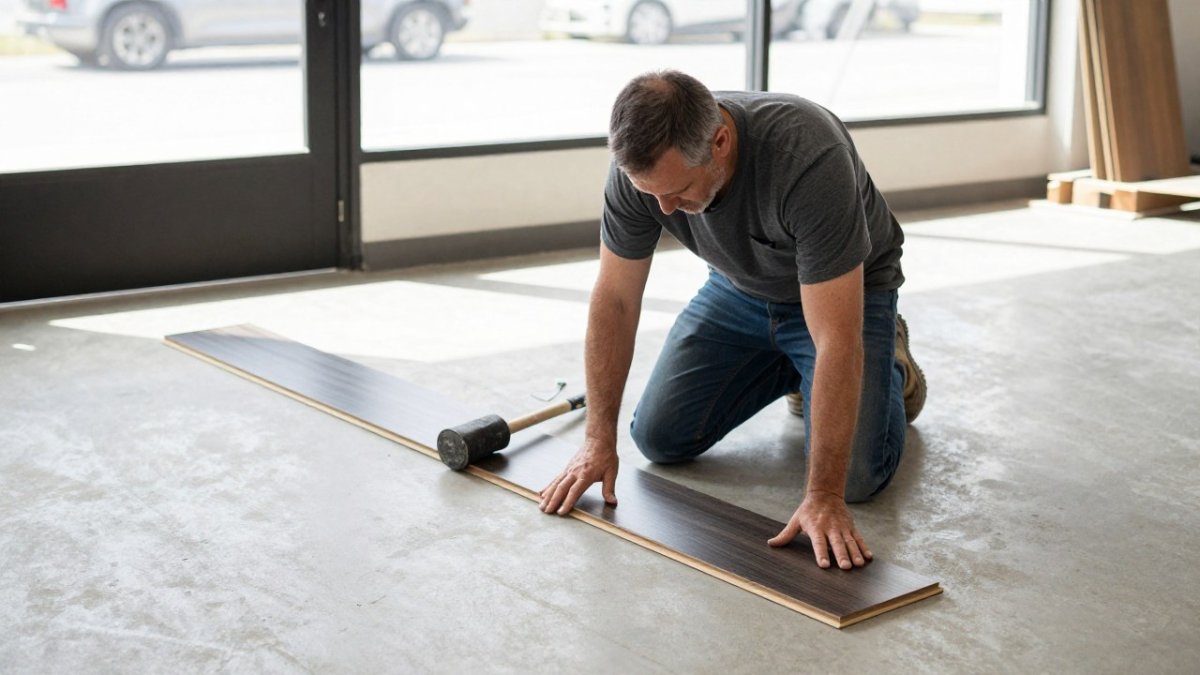
- Purchase and installation: tile and hardwood carry higher installation labor because of subfloor prep, mortar, and finishing; LVP and laminate click together faster. Get an itemized quote that separates material, labor, and prep, prep is where budgets quietly blow.
- Maintenance: tile and LVP need only sweeping and damp mopping. Hardwood needs dry care and periodic refinishing; carpet needs regular vacuuming and periodic deep cleaning. Factor cleaning supplies and your own time into the comparison.
- Repair: this is the hidden variable. A floor you can spot-fix avoids a full replacement when one plank or tile fails.
A common pattern is that the lowest purchase price wins on day one and loses over a decade. Run the math on the room you are actually flooring, not on a generic square-foot average.
Repairability and replacement logistics
Repairability is where material choice becomes practical rather than theoretical.
- Tile: the most repairable for spot fixes, a cracked piece can be swapped if you have matching spares. Keep a box of attic stock; dye lots and styles change, and a discontinued tile is nearly impossible to match.
- Luxury vinyl plank: plank-level replacement is realistic with a click-lock or glue-down system, provided you have spare planks from the same run. Keep extras.
- Laminate: repairs are harder because the locking system and printed pattern must match; discontinued runs are a real risk. Buy 5-10% overage at installation.
Indoor air quality and material safety
For families with allergies, asthma, or young children, what a floor emits matters as much as how it wears.
- Look for low-emission certifications on laminate, vinyl, and engineered products, and ask specifically about adhesives and underlayment, the floor itself may be low-emission while the glue or pad is not.
- Solid hardwood and tile generally have fewer added binders, but finishes and sealants still matter; ask what is being applied and allow proper cure time before move-in.
- Ventilate during and after installation. New flooring off-gasses most in the first days; scheduling installation when the family can be out of the rooms, and running ventilation afterward, reduces exposure.
For a closer look at installation pricing and what drives cost, see our breakdown of the cost of luxury vinyl plank flooring installation.
Choice Floors' 2026 flooring trends report notes warm honey and natural wood undertones are leading style choices, and Floors USA's 2026 trend coverage points to growing demand for cork, bamboo, and reclaimed hardwood among sustainability-minded buyers.
Book an In-Home Flooring Consultation
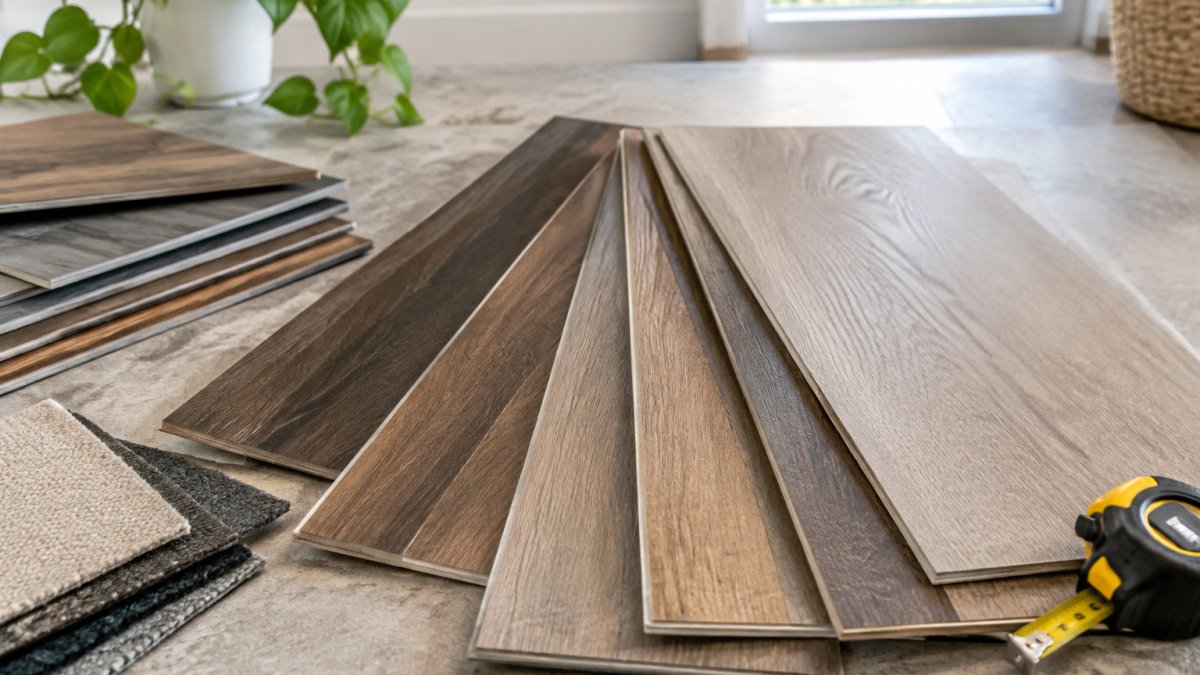
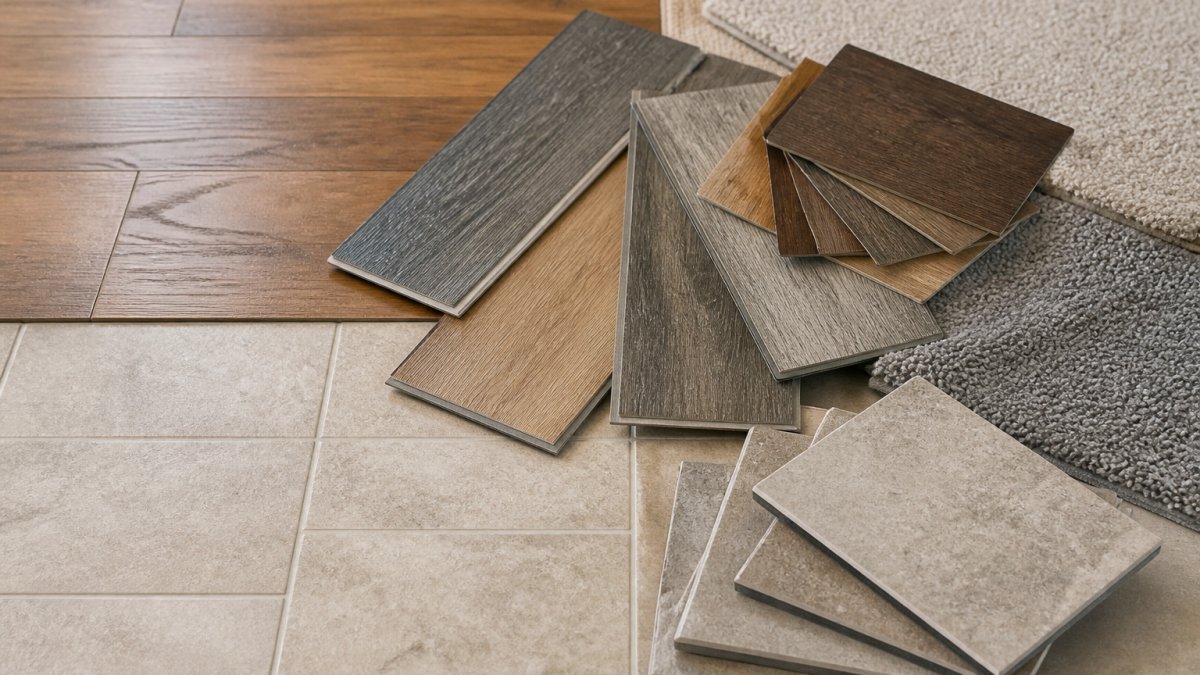
Samples can look different under your own lighting, which is one reason an in-home consultation can help. We bring options to your rooms to help you decide.
We offer a range of flooring and carpet options, with service from measurement through installation.
Get started with Floor Coverings International of Myrtle Beach and get a free estimate on flooring built for your busiest rooms.
Frequently Asked Questions
What is the most durable flooring for families?
Luxury vinyl plank and porcelain tile lead on durability for most active households. LVP brings a waterproof core, a wear layer that resists scratching, and easier maintenance, which is why family-focused guides highlight it for busy homes. Porcelain tile handles moisture and heavy use in kitchens, baths, and mudrooms. Solid and engineered hardwood remain durable options too, but they need more care around water and scratch risk. The right pick depends on the room, the subfloor, and how much maintenance you want to do.
Is luxury vinyl plank durable enough for a busy household?
Yes, for most busy households. Family flooring guides cite luxury vinyl plank for waterproof durability and easier maintenance, and its wear layer is the spec that determines how well it handles daily traffic. Look for a thicker wear layer in entryways, kitchens, and rooms where pets spend time. LVP also tolerates moisture better than laminate, whose water resistance is not specified in standard buying guides. Ask about the flooring warranty before you commit, since coverage varies by product.
Is tile or vinyl better for active families?
It depends on the room. Porcelain tile wins in wet zones like bathrooms, laundry rooms, and mudrooms because it handles water and heavy use without swelling. Vinyl, especially luxury vinyl plank, wins in living rooms and bedrooms where underfoot comfort, warmth, and noise reduction matter more. Tile feels harder and colder underfoot and grout lines need routine cleaning. Many families use both: tile in wet areas, LVP or engineered hardwood in the main living spaces.
What flooring hides scratches and dirt the best?
Textured and matte finishes hide scratches and everyday dirt better than high-gloss surfaces. Wood-look tile, matte laminate, and LVP with a brushed or embossed surface scatter light instead of reflecting it, so scuffs and pet marks show less. Mid-tone colors in the honey and natural wood range also mask dust better than very dark or very light floors. Whatever material you choose, a quality surface finish does more for hiding wear than the color alone.
How do I choose flooring for high-traffic areas?
Start with the room's conditions, then match the material. Entryways and kitchens need water resistance and a strong wear layer, so LVP or porcelain tile fit well. Hallways benefit from scratch-resistant laminate or LVP. Check the subfloor and installation conditions before buying, since moisture and unevenness affect performance. Compare upfront cost against long-term value, confirm the flooring warranty covers your use, and get samples into your actual lighting before you decide.