 Comparison
7 Reasons Professional Flooring Installation Is Worth It
Last Updated: October 30, 2026
Quick Summary
Professional flooring installation is usually worth it because the quote covers labor, materials, underlayment, disposal, and subfloor prep, while DIY savings get eaten by waste, tool rentals, and rework. For most homeowners, anything larger, wet, or irregular is cheaper done professionally once hidden costs are counted.
- Professional flooring installation runs $1,528 to $4,850, per Angi's 2026 cost data.
- Subfloor replacement adds $1,500 to $5,000, and underlayment adds $250 to $2,700.
- DIY budgets need a 10-15% waste allowance on materials at retail pricing.
- Material acclimation often takes 24-72 hours in the room where it will be installed.
- Manufacturer warranties often require professional installation, so check the fine print.
Table of Contents
- The Real Professional Flooring Installation Cost Breakdown
- DIY Flooring Installation vs Professional: What the Numbers Say
- Installer Expertise and the Mistakes That Cost You Twice
- Specialized Tools, Subfloor Preparation, and Moisture Testing
- How Long Flooring Installation Time Actually Takes
- Warranties, Workmanship Guarantees, and the Fine Print
- How to Choose a Flooring Contractor You Can Trust
- Get a Free In-Home Estimate Before You Decide
- Frequently Asked Questions
The Real Professional Flooring Installation Cost Breakdown
According to Angi's 2026 flooring installation cost data, professional flooring installation runs $1,528 to $4,850, and that figure rarely tells the whole story. Subfloor replacement adds $1,500 to $5,000 when the deck beneath your floor is soft, uneven, or water-damaged. Underlayment adds $250 to $2,700. At Floor Coverings International of Myrtle Beach, we walk homeowners through all three line items before anyone signs anything, because the quote that surprises you is the one that includes work you didn't plan for. Is professional flooring installation worth it? Start by seeing the full number, not the headline one.
Here is how the budget actually breaks down:
| Cost Component | Typical Range | What Drives It |
|---|---|---|
| Installation labor and materials | $1,528-$4,850 | Flooring type, square footage, layout complexity |
| Subfloor replacement | $1,500-$5,000 | Rot, moisture damage, uneven or failing decking |
| Underlayment | $250-$2,700 | Moisture barrier needs, material chosen |
For material-specific pricing, our guide to the cost of luxury vinyl plank flooring installation breaks down what a plank floor actually runs before labor is added.
DIY Flooring Installation vs Professional: What the Numbers Say
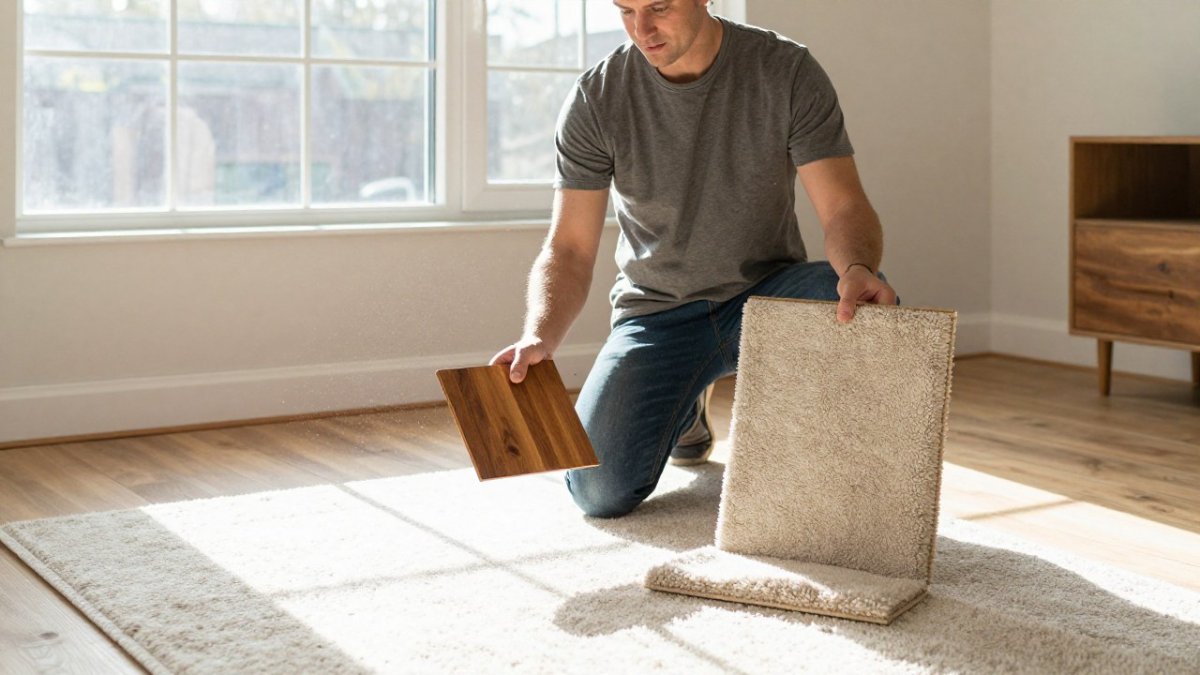
The DIY case rests on one number: saved labor. The problem is that saved labor is the only number DIY actually controls. Material waste from bad cuts, rework after a failed layout, and the cost of renting specialized tools all eat into that savings, and they show up after the fact.
To make the comparison honest, put every line item on the same page. A professional quote may bundle labor, materials, underlayment, disposal, and subfloor prep, depending on the scope agreed upon. A DIY budget has to account for the same categories plus the costs homeowners routinely forget:
| Cost Line | Professional Quote | DIY Reality |
|---|---|---|
| Labor | Included in the installed price | Your time, or a helper's day rate |
| Materials | Often at contractor pricing | Retail pricing, plus 10-15% waste allowance |
| Underlayment and moisture barrier | Specified in the scope | You source and specify it yourself |
| Tool rental | Included in labor | Drum sander, wet saw, power stretcher, nailer rentals |
| Old floor removal and disposal | Usually a line item | Dumpster rental and haul-away fees |
| Subfloor repair | Quoted after inspection | Unknown until you pull up the old floor |
| Mistake risk | Covered by workmanship guarantee | You absorb rework and replacement material |
Add one botched transition strip, a seam that lifts in humidity, or a layout that has to be pulled up and restarted, and the DIY path can cost more than the quote you declined. The break-even point is not a single number; it is the point where your time value plus expected waste plus repair risk exceeds the labor line on the contractor's estimate. For most homeowners tackling a single small room in a forgiving material, DIY can pencil out. For anything larger, wet, or irregular, the professional quote is usually the cheaper number once the hidden costs are counted.
If you are weighing a contractor against a retail installation program, our comparison of flooring contractor vs big box store covers how the two models differ on scheduling, accountability, and who handles problems after the crew leaves.
Installer Expertise and the Mistakes That Cost You Twice
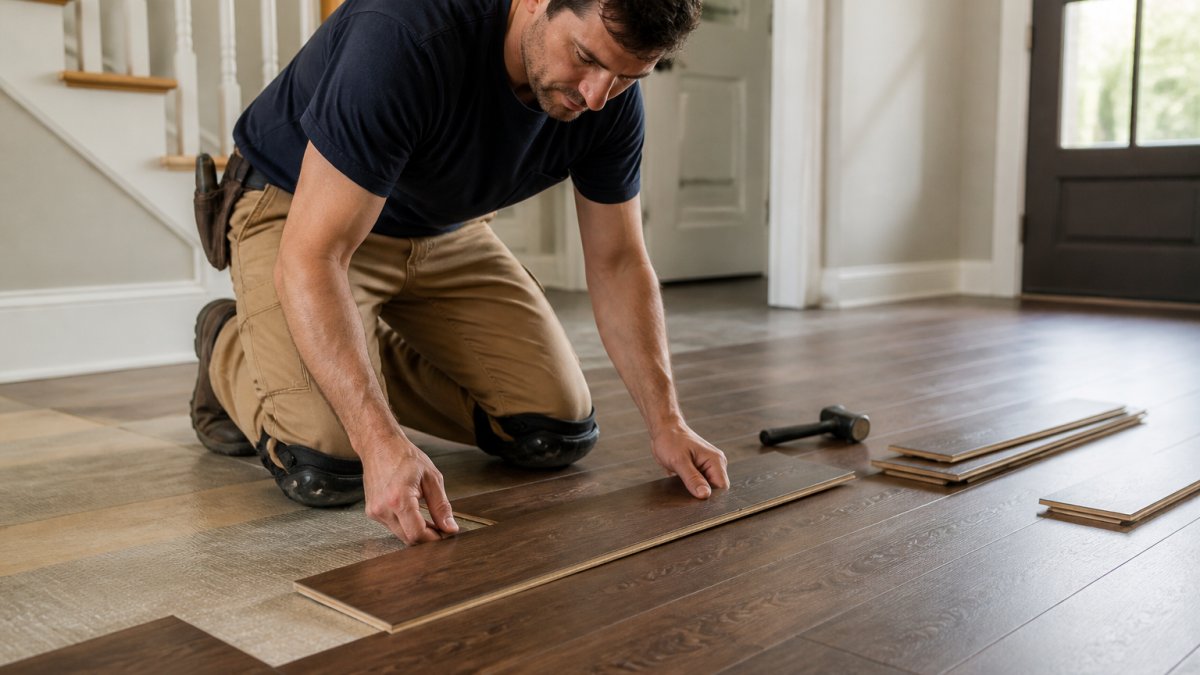
The most expensive flooring mistake is the one you pay for twice: once to install it wrong, once to tear it out. A common mistake in DIY work is starting the first row against a wall that isn't square, which pushes every subsequent row out of alignment.
Laying plank or tile over a subfloor with high moisture readings can trap moisture under a vapor barrier, and the floor may cup, buckle, or pop loose.
Specialized Tools, Subfloor Preparation, and Moisture Testing
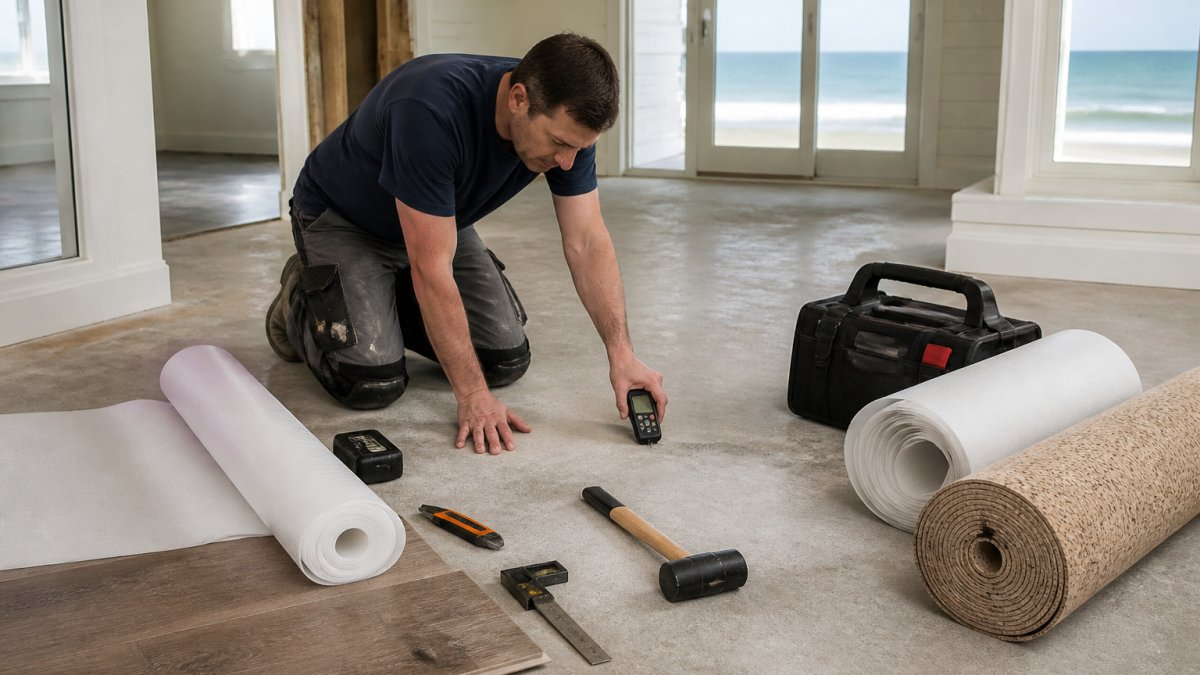
Moisture testing is the step homeowners skip and installers cannot. Moisture testing is an important step, particularly in humid coastal conditions. Subfloor preparation commonly includes leveling low spots and creating a clean, dry surface before installation. For practical steps to keep moisture from warping your new floor, see how to prevent flooring buckling in humidity.
How Long Flooring Installation Time Actually Takes
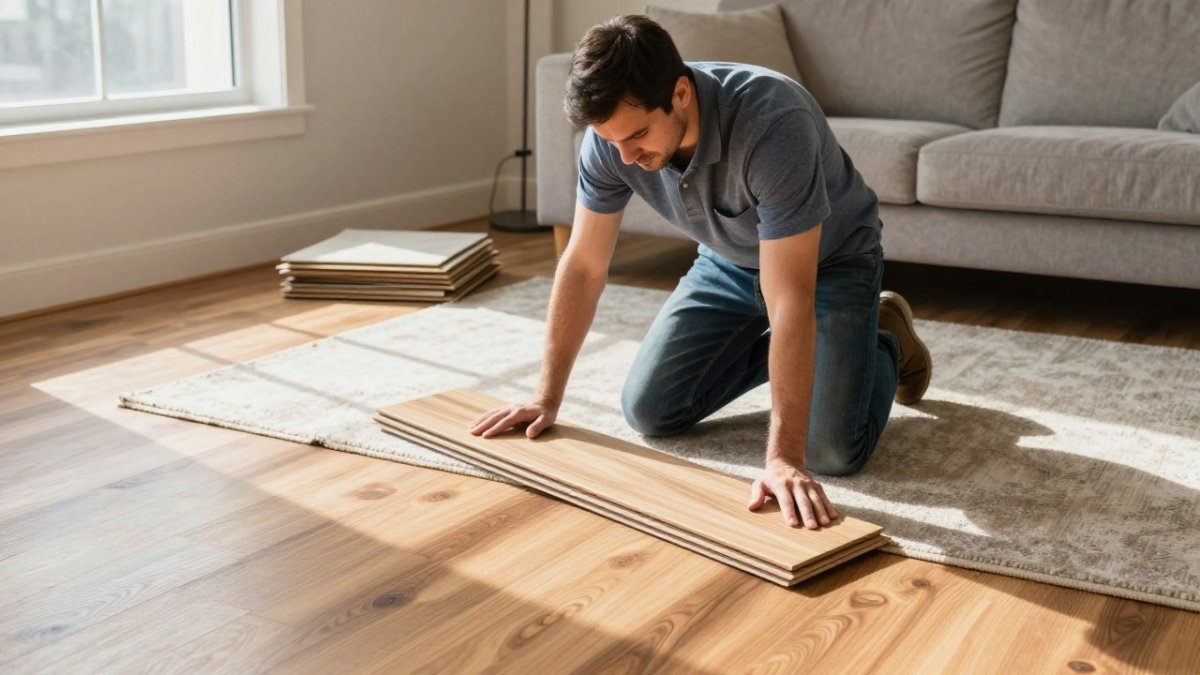
Flooring installation time depends on square footage, material, and how much prep the subfloor needs. A single room in carpet or vinyl plank is often a one-day job. Tile runs longer because of mortar cure times. Whole-home projects stretch across several days, and subfloor repairs can add more. Installation work typically proceeds in sequence: demolition, prep, installation, trim, and cleanup.
The more useful question is not 'how long does flooring take' but 'how complex is my project.' Complexity drives both timeline and cost, and it is the factor homeowners most often misjudge. Use these project-specific risk factors to grade your own job:
- Room size and layout. A square bedroom is the simplest possible install. Long hallways, multiple doorways, closets, and rooms that are not square add cuts, transitions, and layout planning. Irregular layouts can double the trim and transition work.
- Stairs. Stair installs are slow, detail-heavy, and a common source of callbacks. They require precise tread and riser cuts and often a different fastening method than the field floor.
- Moisture. Concrete slabs and below-grade rooms need moisture testing before any material goes down. High readings mean a vapor barrier, a different adhesive, or a different product entirely. Skipping this step is the most common cause of buckling and cupping.
- Radiant heat. Floating floors and some adhesives are not compatible with every radiant system. The material must be rated for it, and the heat must be off during installation and brought up gradually afterward.
- Occupied homes. Furniture moving, protecting adjacent rooms, and phasing work around daily life add time. An empty house installs faster than one a family is living in.
- Subfloor condition. Soft spots, deflection, and old adhesive residue all require prep before installation. A floor that looks flat can still fail a deflection test.
Set expectations for the full sequence, not just the install day. Material acclimation often takes 24-72 hours in the room where it will be installed. Demo and prep can take as long as the install itself in older homes. Tile mortar and grout need cure time before heavy furniture goes back. Plan on rooms being unusable for several days beyond the visible work, and ask any contractor for a written schedule with milestones rather than a verbal 'about a week.'
For a realtor preparing a property for listing, timeline is an important part of the conversation. The same complexity factors that stretch a schedule also raise the risk of a DIY redo, which is why a project with stairs, moisture, or an irregular layout is usually the wrong place to test your own skills.
Warranties, Workmanship Guarantees, and the Fine Print
Manufacturer warranties on flooring materials often require professional installation, so check the fine print. Installing a product yourself may affect the coverage. Workmanship guarantees, where offered, are separate from material warranties and cover the installation itself.
Read both documents before you commit. A material warranty that lasts 20 years is worth little if the installation that voided it was done over a wet subfloor.
How to Choose a Flooring Contractor You Can Trust
Choosing a flooring contractor comes down to verification, not sales pitch. Use this checklist:
- Ask for proof of licensing and insurance
- Request references from projects similar to yours
- Get a written, itemized estimate covering labor, materials, and prep
- Confirm who handles subfloor repairs and at what cost
- Ask for the workmanship guarantee in writing
- Verify the payment schedule ties to milestones, not upfront
- Check how change orders and delays are handled
A contractor who disappears mid-job usually showed warning signs early: no written contract, a large deposit request, vague answers about scheduling. For a real-world look at what hiring a local crew is like, read this professional flooring installation services review in Myrtle Beach.
Get a Free In-Home Estimate Before You Decide
Samples in a showroom look different under your own lighting, and a photo on a screen tells you nothing about how a floor feels underfoot. An in-home estimate solves both problems at once: you see the material in your actual room, and you get a written number for your actual subfloor.
At Floor Coverings International of Myrtle Beach, we offer a wide range of premium flooring and carpet options designed to enhance the beauty and functionality of your space. Request a free in-home estimate and see the full cost before you commit.
Frequently Asked Questions
Is it worth paying for professional flooring installation?
For most homeowners, yes. Professional installation can help meet manufacturer warranty requirements and produce a finished appearance that holds up over time. Pricing depends on quantity, dates, and delivery, so request a quote for current figures. The math changes only for small, simple rooms where you already own the tools and have installed flooring before.
Is it cheaper to install flooring yourself or hire a professional?
DIY saves on labor fees, but the gap is smaller than it looks once you price specialized tools, underlayment, and material waste from miscuts. Underlayment and subfloor repairs can add cost, depending on the condition of your floor. A single rework job can erase the savings, which is why the DIY flooring installation vs professional decision usually comes down to project complexity rather than sticker price.
How long does professional flooring installation take?
Flooring installation time depends on material and square footage. Carpet in a single room often finishes in a day, while tile or hardwood across multiple rooms can run several days once subfloor preparation and adhesive cure times are counted. Moisture testing and floor leveling can add time upfront. Ask your installer for a written timeline that separates demolition, prep, and finish work so you can plan around the disruption.
Does professional flooring installation come with a warranty?
Manufacturer warranties typically require installation by a qualified professional, and skipping that step can void coverage for issues like buckling or seam failure. Beyond the material warranty, some contractors offer a workmanship guarantee covering installation defects. Read both documents before signing: confirm what the remedy is, how long coverage lasts, and whether labor is included. Knowing how to choose a flooring contractor starts with asking those warranty questions directly.
The gap between a floor that lasts and one that fails usually comes down to prep work nobody sees. Get started with Floor Coverings International of Myrtle Beach and get a written estimate built around your home, your subfloor, and the way you actually live on it.