 Comparison
Professional Flooring Installation Services: Myrtle Beach Review
Last Updated: October 23, 2026
Quick Summary
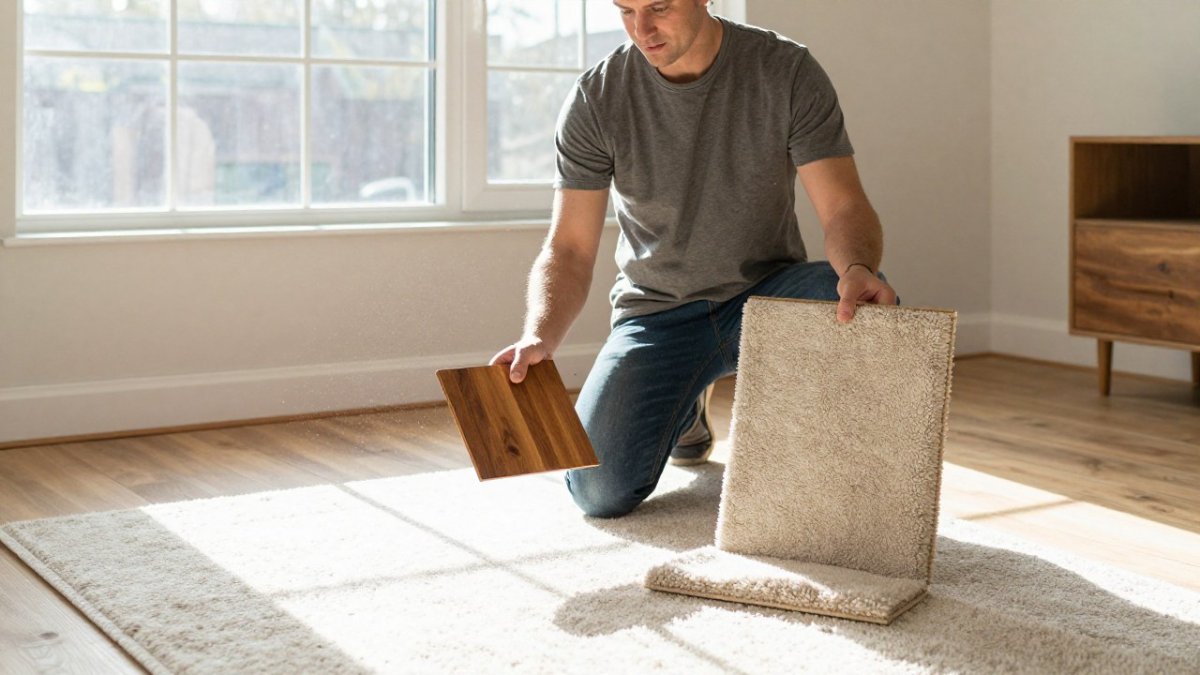
Professional flooring installation services in Myrtle Beach handle material selection, subfloor preparation, installation, and warranty coverage through one accountable team, which matters in coastal homes where humidity, salt air, and shifting subfloors punish shortcuts. We bring samples to your rooms during an in-home estimate and test the subfloor before quoting.
- The U.S. flooring installation services industry is estimated at $34.0 billion in 2026, according to IBISWorld.
- Luxury vinyl plank tolerates humidity swings that would warp solid hardwood and handles pets and sand traffic.
- Installation labor typically runs $2 to $6 per sq ft for most residential products.
- Material lead time is usually the longest project phase, not labor.
- Ask contractors for proof of licensing and insurance, and get product and labor warranties in writing.
Table of Contents
- Why Professional Flooring Installation Services Matter in Coastal Homes
- Flooring Types and Material Options for Coastal Properties
- Luxury Vinyl Plank Installation: The Moisture-Resistant Workhorse
- What Flooring Installation Cost Actually Covers
- Flooring Installation Timeline: From In-Home Estimate to Final Walkthrough
- Questions to Ask a Flooring Contractor Before You Sign
- Side-by-Side Installer Comparison: What Separates Local Providers
- Verdict: Who These Flooring Installation Services Are Best For
- Frequently Asked Questions
Why Professional Flooring Installation Services Matter in Coastal Homes
The U.S. flooring installation services industry is estimated at $34.0 billion in 2026, according to IBISWorld's Flooring Installation Services industry analysis. That scale matters here because coastal homes ask more of a floor than inland homes do. Humidity, salt air, and shifting subfloors punish shortcuts.
Professional flooring installation services are the difference between a floor that survives a coastal decade and one that cups, buckles, or lifts within two summers. At Floor Coverings International of Myrtle Beach, we provide premium flooring solutions designed to enhance the beauty and functionality of your space.
Below, we break down materials, real cost drivers, timelines, and the questions that separate a careful installer from a fast one.
Flooring Types and Material Options for Coastal Properties
Four categories cover nearly every coastal project: carpet, hardwood, tile, and vinyl. Each handles humidity differently, and that difference should drive your choice more than a showroom sample does.
Carpet, Hardwood, Tile, and Vinyl Compared
| Material | Moisture Tolerance | Best Rooms | Watch Out For |
|---|---|---|---|
| Carpet | Low to moderate | Bedrooms, stairs | Traps sand and damp; needs frequent cleaning |
| Hardwood | Low | Living areas with climate control | Cupping and gapping in humid seasons |
| Tile | High | Bathrooms, kitchens, entries | Cold, hard surface; grout needs sealing |
| Luxury vinyl plank | High | Whole-home, rentals, condos | Subfloor must be flat and clean |
Hardwood remains the prestige pick, but it is the least forgiving in a beach house without consistent climate control. Tile wins on water resistance and loses on comfort. Carpet is quieter and warmer underfoot but holds moisture and grit. Luxury vinyl plank sits in the middle and increasingly wins the argument.
Luxury Vinyl Plank Installation: The Moisture-Resistant Workhorse
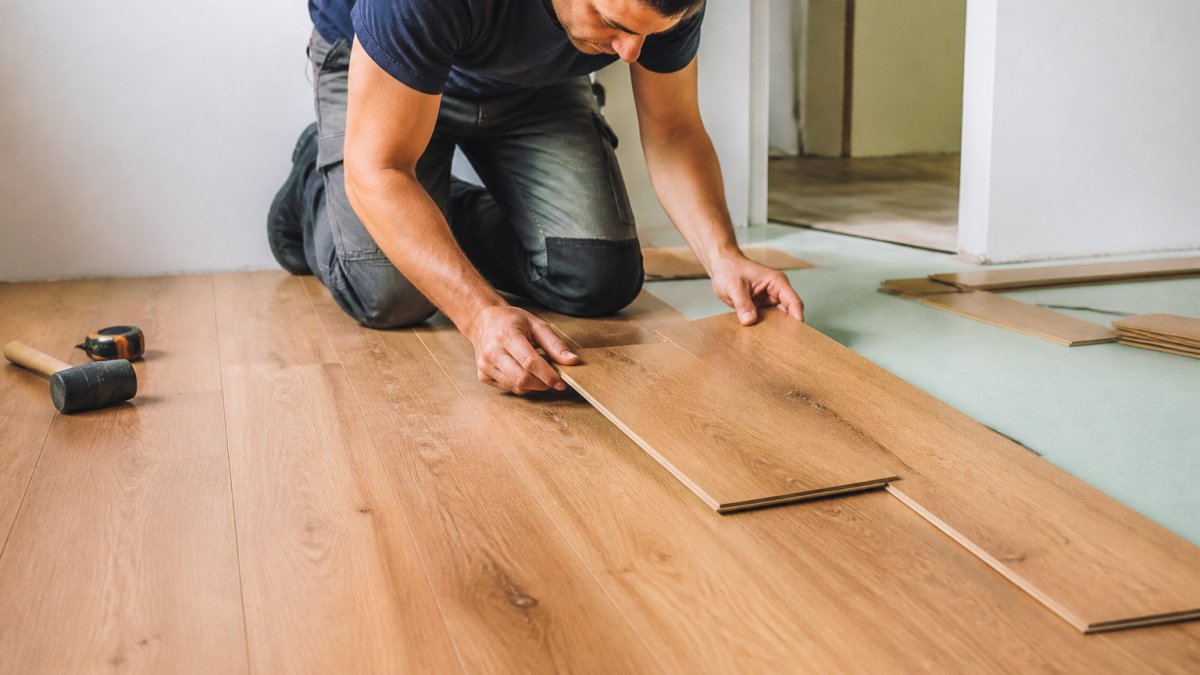
Luxury vinyl plank installation tolerates humidity swings that would warp a solid hardwood floor, and it handles pets and sand traffic without complaint.
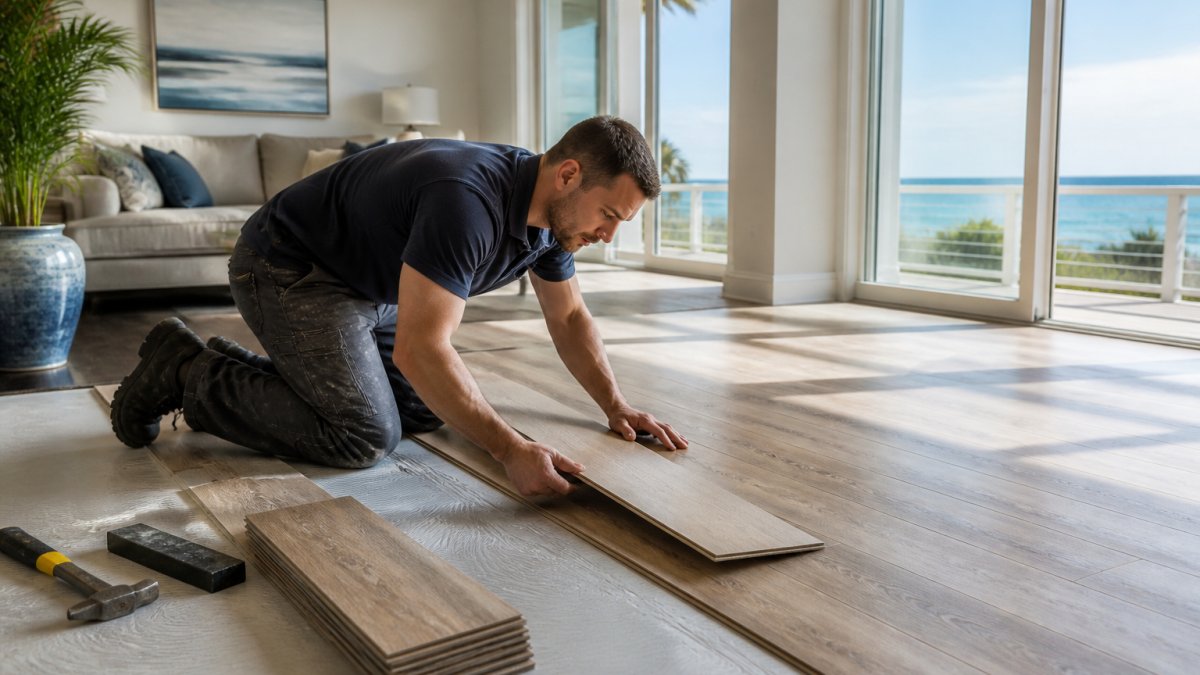
The catch is preparation. Plank flooring follows the contour of whatever is beneath it.
What Flooring Installation Cost Actually Covers
Flooring installation cost is driven by four things: material, square footage, subfloor condition, and removal of the old floor. Two homes of identical size can land far apart on price because one needs leveling and haul-away and the other does not. The table below shows the cost drivers most coastal projects share, with typical U.S. ranges and the mechanism behind each number.
| Cost Driver | Typical U.S. Range | What Moves It Up or Down |
|---|---|---|
| Material | $1-$4 per sq ft for carpet; $3-$8 for luxury vinyl plank; $4-$10 for tile; $5-$12 for solid hardwood | Species, wear layer, tile format, and whether the product is stocked or made to order |
| Installation labor | $2-$6 per sq ft for most residential products | Layout complexity, stairs, diagonal patterns, and whether trim must be removed and reset |
| Old-floor removal and disposal | $1-$3 per sq ft | Whether the old floor is glued, stapled, or set in thinset; haul-away fees |
| Subfloor preparation | $1-$4 per sq ft when needed | Patching, self-leveling compound, moisture barrier, and replacement of soft or rotted sections |
| Trim, transitions, and thresholds | $3-$12 per linear ft | Doorway count, stair nosings, and whether existing baseboard can be reused |
Those ranges are broad on purpose. A 1,200 sq ft condo with a flat, dry slab and a stocked luxury vinyl plank might land near the low end of every line.
We offer in-home consultations.
A few cost mechanics worth knowing before you compare bids:
- Minimum job charges. Small rooms and single-closet jobs often carry a minimum, so the per-square-foot price rises as the job shrinks.
- Stair pricing. Stairs are usually priced per step, not per square foot, because each tread and riser is cut and fitted individually.
- Moisture testing and mitigation. A calcium chloride or in-situ probe test is inexpensive; the mitigation it triggers, a vapor barrier or epoxy coating, is not. Ask whether testing is included in the quote or billed separately.
For current pricing on your project, request a free estimate from our team rather than relying on national averages. Bring the room measurements and any HOA or condo association rules about work hours and elevator use, both affect scheduling and, occasionally, cost.
Flooring Installation Timeline: From In-Home Estimate to Final Walkthrough
A flooring installation timeline runs from a few days to a couple of weeks for most residential jobs. The estimate comes first, then material ordering, then installation, then a walkthrough. The table below sets expectations for each phase, including the coastal-specific steps that inland guides tend to skip.
| Phase | Typical Duration | What Happens | What Can Stretch It |
|---|---|---|---|
| In-home estimate | 45-90 minutes | Measure rooms, inspect the subfloor, test moisture, view samples in your lighting | Large or multi-level homes; condo association access rules |
| Material selection and ordering | 3 days to 6 weeks | Confirm product, quantity, and lead time; order with 5-10% overage for cuts and future repairs | Made-to-order or special-order products; backorders |
| Preparation | 1-3 days | Move furniture, remove old flooring, level the subfloor, address moisture | Glued-down or thinset-set old floors; rotted subfloor sections |
| Installation | 1-3 days per room; 3-7 days for a whole home | Lay flooring, set transitions, reset trim | Stairs, diagonal layouts, and complex room shapes |
| Final walkthrough | 1-2 hours | Inspect seams, transitions, and trim together before sign-off | Punch-list items that need a return visit |
Here is how we sequence a typical project:
- In-home estimate. Measure rooms, inspect the subfloor, test moisture, discuss materials in your actual lighting. We check flatness against the manufacturer's tolerance, commonly 3/16 inch over 10 feet for plank products, because that number decides whether leveling is needed.
- Material selection and ordering. Lead times vary by product; some ship quickly, some are made to order. Order overage at this stage, not after installation starts, because dye lots and production runs change.
- Preparation. Move furniture, remove old flooring, level the subfloor, address moisture. On a pier-and-beam or ground-level slab, this is where a moisture barrier or vapor retarder goes down.
- Installation. The bulk of the work, typically one to three days for a single room. Acclimate the flooring per the manufacturer's instructions before installation, plank and hardwood products need time in the room to reach equilibrium with local humidity.
- Final walkthrough. Inspect seams, transitions, and trim together before we call it done. Note any punch-list items in writing.
For realtors working against a listing date, tell us the deadline at the estimate. Sequencing is easier to plan at the start than to compress at the end.
Two scheduling realities are worth planning around. First, material lead time is usually the longest phase, not labor, a stocked luxury vinyl plank may arrive in days, while a special-order tile can take weeks. Second, moisture mitigation and leveling are the phases most likely to appear after work begins, because a subfloor that looks flat can fail a moisture test once the old floor is up. Build a buffer into the schedule for both, and the project stays on the calendar rather than the calendar bending to the project.
Questions to Ask a Flooring Contractor Before You Sign
Ask any flooring contractor five things before signing: who holds the license, what insurance covers the job, what the workmanship warranty says, who handles subfloor repairs, and what happens if something goes wrong mid-install.
- Licensing and insurance: Ask for proof. A contractor who hesitates here is telling you something.
- Workmanship warranty: Product warranties and labor warranties are separate. Get both in writing.
- Subfloor responsibility: Confirm in writing who pays if leveling or moisture mitigation turns out to be necessary.
Side-by-Side Installer Comparison: What Separates Local Providers
Local providers differ less on product catalogs than on process. Most carry similar material lines. The real differences show up in preparation standards, warranty terms, and how they handle the estimate.
| Factor | What to Look For | Why It Matters |
|---|---|---|
| Estimate process | In-home, with subfloor inspection | Catches hidden prep costs before signing |
| Material range | Broad enough to fit your climate and budget | Avoids being pushed toward one product |
| Warranty | Written workmanship coverage | Defines who fixes problems after install |
| Communication | Clear timeline and single point of contact | Prevents mid-project surprises |
| Local experience | Familiar with coastal moisture issues | Fewer callbacks and failures |
At Floor Coverings International of Myrtle Beach, our in-home consultation brings samples to your rooms so you see materials under your own light, not showroom lighting. Our team is dedicated to delivering exceptional service and superior products that consistently exceed customer expectations.
Verdict: Who These Flooring Installation Services Are Best For
Professional flooring installation services make the most sense for coastal homeowners who want the floor done once, correctly, with preparation and warranty handled by one accountable team.
- Best for beach houses and condos: moisture-resistant luxury vinyl plank and tile, installed with subfloor testing
- Best for busy homeowners: in-home estimates that remove the showroom tour from your schedule
- Best for realtors: timeline planning built around a listing date
If you are weighing a big-box install against a full-service provider, compare total cost and warranty coverage side by side. The gap is usually smaller than it looks, and the accountability is not close.
Frequently Asked Questions
How do I choose a professional flooring installer in Myrtle Beach?
Start by verifying credentials: ask for proof of insurance, a written workmanship warranty, and a physical local address. Read recent customer reviews and confirm the crew handles subfloor inspection and moisture testing, which matter in coastal homes. Request an in-home estimate so the installer can assess your actual subfloor and lighting. Compare at least two written quotes that itemize materials, labor, removal, and disposal.
How much does professional flooring installation cost?
Flooring installation cost depends on the material, square footage, subfloor condition, and whether old flooring must be removed. Carpet and luxury vinyl plank typically sit at the lower end, while tile and hardwood run higher because of labor intensity. Pricing also varies with room layout, stairs, and furniture moving. Ask for a written, itemized estimate rather than a per-square-foot headline number, and confirm what is included before you compare quotes.
How long does a flooring installation timeline usually take?
A typical flooring installation timeline runs one to three days for a single room and three to seven days for a whole-home project, depending on material and square footage. Tile and hardwood take longer than carpet or luxury vinyl plank because of adhesive cure times and acclimation. Add time for subfloor leveling or moisture remediation if the inspection finds issues. Ask your installer for a written schedule with a start date, daily milestones, and a final walkthrough.
What flooring works best in humid coastal homes?
Luxury vinyl plank and tile handle coastal humidity best because they resist moisture and do not swell like solid hardwood. Engineered hardwood performs better than solid wood in humid conditions when properly acclimated. Carpet works in bedrooms but needs moisture-resistant backing. Whatever you choose, the subfloor must be tested for moisture before installation, and the material should acclimate in your home for the period the manufacturer specifies.
Do flooring installers remove old flooring?
Most professional flooring installation services include removal and disposal of old flooring when you request it, but it is often a separate line item on the estimate. Confirm whether the quote covers tear-out, hauling, and dump fees. Ask how the crew handles stubborn adhesives, tack strips, or damaged subfloor revealed during removal, since those can add cost and time. Get the removal scope in writing before work begins.
Choosing flooring on the coast means choosing preparation over speed and climate-fit materials over trends. Floor Coverings International of Myrtle Beach brings premium flooring and carpet options to your home, pairs them with in-home consultation so you see samples in your own lighting, and handles installation and preparation as one accountable job. Get a free estimate and start with a floor that is built for this climate.