 ultimate-guide
How to Choose Flooring for Rental Properties
Table of Contents
- How to Choose Flooring for Rental Properties: A Decision Framework
- The Most Durable Flooring for Rental Properties
- Laminate vs Vinyl Flooring for Rentals: Which Holds Up Better?
- Rental Property Flooring Cost: Upfront vs Long-Term Value
- Flooring Lifespan in Rental Properties: What to Expect
- Room-by-Room Flooring Choices for Rental Units
- Installation, Repair, and Replacement Logistics
- Frequently Asked Questions
Last Updated: October 18, 2026
How to Choose Flooring for Rental Properties: A Decision Framework
Choosing flooring for rental properties comes down to four filters applied in order: water exposure, traffic level, replacement timeline, and total cost over the life of the floor.
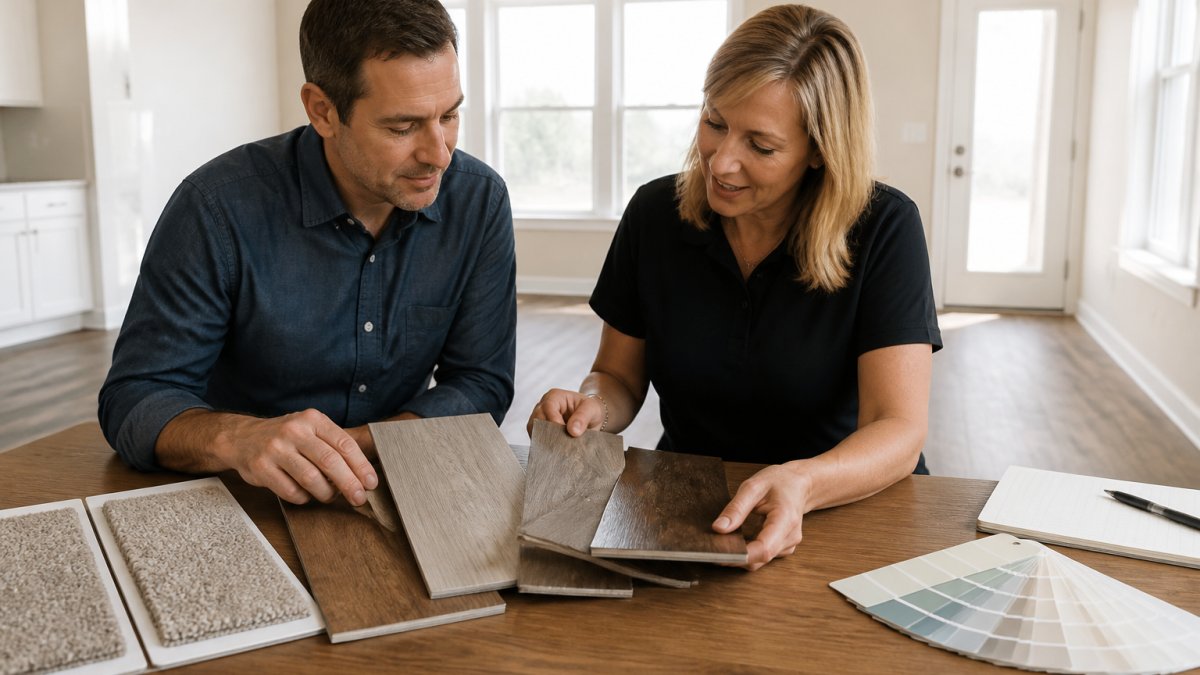
The floor that looks best in a showroom photo is rarely the floor that survives a tenant turnover cycle.
Below, we break down durability, cost, lifespan, and room-by-room selection so you can make one decision per unit instead of second-guessing it later.
The Most Durable Flooring for Rental Properties
Luxury vinyl plank (LVP) is the most durable flooring for most rental properties, balancing scratch resistance, moisture tolerance, and repair cost better than any other single material. Porcelain tile edges it out in wet rooms.
Here is how the main options stack up:
| Material | Best For | Main Weakness |
|---|---|---|
| Luxury vinyl plank (LVP) | Whole-unit installs, high-traffic areas | Can dent under heavy point loads |
| Porcelain tile | Bathrooms, kitchens, entryways | Cold underfoot, grout maintenance |
| Laminate | Budget bedroom refreshes | Swells if water reaches the core |
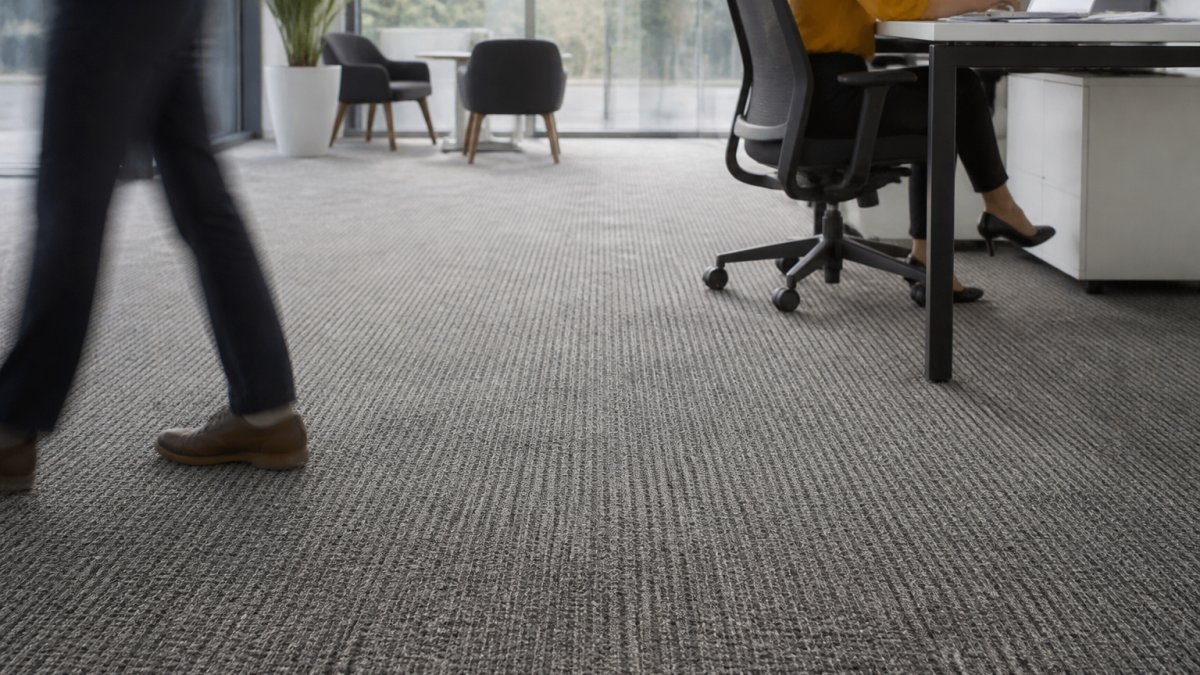
| Carpet | Bedrooms, sound control | Stains, shorter lifespan in traffic lanes |
| Engineered hardwood | Higher-end units | Scratches, moisture sensitivity |
LVP and luxury vinyl tile (LVT) handle the two things that destroy rental floors fastest: standing water and constant foot traffic. SPC (stone-polymer composite) cores add rigidity, which matters in older buildings where the subfloor is not perfectly flat.
Laminate vs Vinyl Flooring for Rentals: Which Holds Up Better?
Vinyl flooring holds up better than laminate in rentals, primarily because of moisture.
That difference matters in rentals because tenants do not always report small leaks quickly. A dishwasher supply line that drips for a week will ruin laminate. LVP shrugs it off.
Laminate still has a place. It costs less upfront and looks convincing in bedrooms and low-moisture living areas.
Rental Property Flooring Cost: Upfront vs Long-Term Value
Rental property flooring cost should be measured over the floor's full service life, not the day of purchase. A material that costs less to install but needs replacement twice as often usually costs more in the end, especially once you add installation labor and vacancy days. Most ranking guides stop at that sentence. This section goes further and shows how to actually build the number, because the lifecycle comparison is where rental flooring decisions are won or lost.
The four cost lines to model
Every flooring decision carries four cost lines. Owners typically model only the first.
- Upfront cost: material plus installation, quoted per square foot. This is the number on the estimate.
- Maintenance cost: cleaning supplies, grout sealing, refinishing, spot repairs, and the labor hours to do them. Carpet and grout-heavy tile carry more of this than sheet vinyl or LVP.
- Replacement cost: material, labor, and disposal at end of life. Disposal is not free: old carpet, pad, tile, and adhesive add haul-away charges that vary by volume and local tipping fees.
How to build a lifecycle comparison
You do not need a spreadsheet model to make a defensible call. You need four inputs per material:
- Installed cost per square foot from a current quote, including removal and disposal of the old floor.
- Expected service life in rental use, not manufacturer marketing life. Rental floors see more abuse and less care than owner-occupied floors.
- Annual maintenance cost and hours, including your own time or a handyman's rate.
- Turnover downtime in days, multiplied by daily rent.
Divide total lifecycle cost by expected service years to get a cost-per-year figure. That single number lets you compare a cheap floor that lasts a few years against a pricier floor that lasts much longer on equal footing. The pattern most practitioners find: materials with the lowest sticker price rarely win on cost per year once downtime and replacement labor are included, but the gap narrows in low-traffic bedrooms where any floor lasts longer.
Where the math flips
Lifecycle math does not always favor the premium option. Three situations flip it toward the cheaper material:
- Short hold periods. If you plan to sell within a few years, you may never reach the replacement cycle, so upfront cost dominates.
- Low-traffic rooms. Bedrooms and closets see far less wear, so a budget floor can last long enough to win on cost per year.
- Units you will renovate anyway. If a full refresh is already planned, paying for a long-life floor you will tear out early is wasted money.
Conversely, the math favors the tougher material in entryways, kitchens, bathrooms, and any unit with high turnover, because those are the rooms where replacement frequency and downtime stack up fastest.
Pricing varies by material, room size, subfloor condition, and removal requirements, so we quote each project individually rather than publishing a blanket rate. Request a free estimate from Floor Coverings International of Myrtle Beach for current numbers on your specific unit, and ask for the four cost lines broken out so you can run the lifecycle comparison yourself.
Flooring Lifespan in Rental Properties: What to Expect
Flooring lifespan in rental properties runs shorter than in owner-occupied homes because rental floors absorb more abuse with less care. Expect LVP and tile to outlast carpet and laminate by a wide margin in the same unit.
General expectations, assuming normal rental use:
- Porcelain tile: the longest service life of any common option, with grout as the main wear point
- LVP and LVT: a long service life, with wear concentrated in entryways and kitchens
- Laminate: a moderate lifespan, cut short by any water event
The EPA's indoor air quality guidance is worth reviewing if you are selecting carpet, since low-VOC options and proper ventilation during installation affect tenant comfort and air quality.
Room-by-Room Flooring Choices for Rental Units
Room function should drive the material choice, not a single whole-unit decision. Matching floors to how each room is actually used gets you better durability without overspending on every square foot.
- Kitchen and bathrooms: porcelain tile or LVT. Water exposure is constant, and these rooms justify the higher material cost.
- Living areas: LVP throughout. It handles traffic, furniture drag, and spills without special care.
- Bedrooms: carpet or laminate. Carpet adds warmth and sound absorption, which tenants notice in multi-unit buildings.
Installation, Repair, and Replacement Logistics
Installation logistics decide whether a flooring project costs you days of rent or weeks. The practical questions are how long the install takes, whether the old floor must come up, how a future repair gets handled, and whether the subfloor can even accept the material you chose. Most guides cover the first two and skip the rest. This section covers all four, because repair and subfloor mechanics are where rental flooring budgets quietly fail.
Subfloor requirements by material
The subfloor decides which products will perform and which will fail early. Check it before you order material, not after.
- Concrete slabs: moisture vapor moving through concrete damages laminate and hardwood. Test for vapor emission before installing anything moisture-sensitive, and specify vinyl or tile on slab-on-grade and basement floors. A vapor barrier or moisture-mitigating underlayment may be required.
- Wood subfloors: flatness matters. Most resilient and tile products specify a flatness tolerance over a set distance; out-of-tolerance floors need patching or leveling compound before install. Skipping this step voids many manufacturers' warranties.
- Older buildings: expect uneven floors, patched subfloors, and sometimes asbestos-containing materials under old vinyl or tile. Disturbing those materials during removal is a regulated hazard, so have suspect flooring tested before demolition.
Repairability: can one damaged section be replaced?
This is the logistics question owners ask after the first tenant damages a floor, and the answer differs sharply by material.
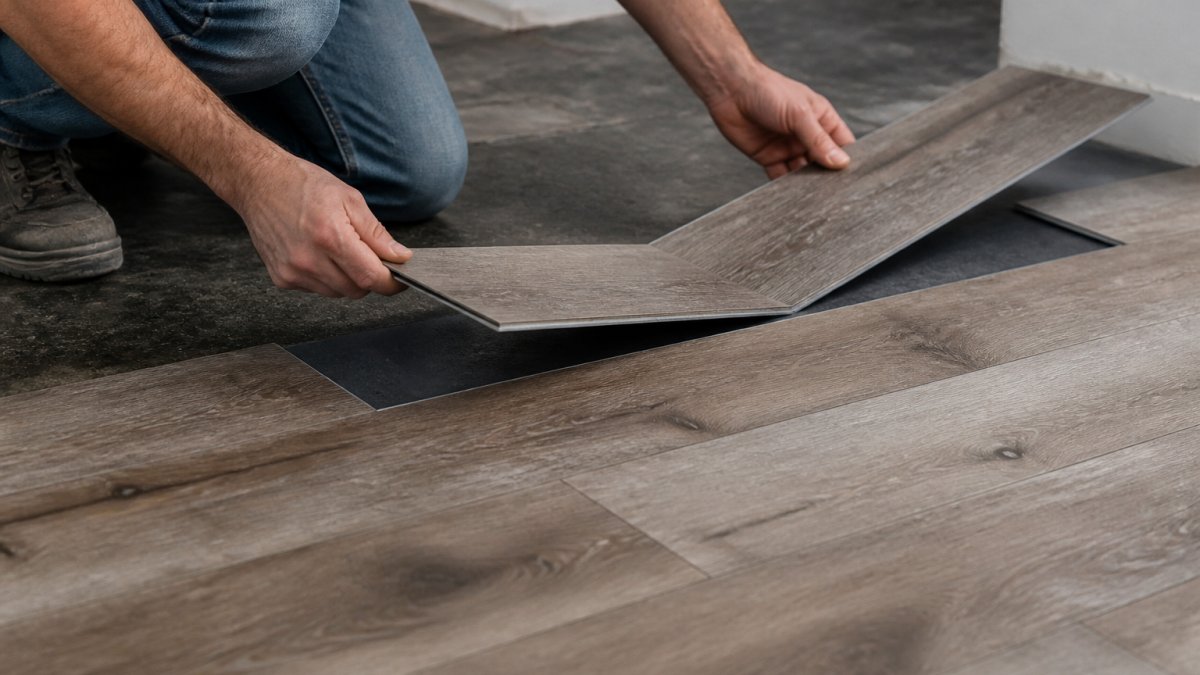
- LVP and LVT: individual planks or tiles can often be lifted and replaced if you bought extra material at install time. Floating installations are the easiest to repair; glue-down installations are harder and may require a professional.
- Laminate: floating planks can be disassembled from the nearest wall to reach a damaged board, but the process is labor-intensive and matching a discontinued color later is often impossible.
- Tile: a single cracked tile can be chipped out and replaced, but matching grout color and blending the repair takes skill. Keep spare tile and grout from the original install.
The practical rule: buy extra material at install time and store it. A closet shelf of spare planks or tile means a damaged section gets swapped in an afternoon instead of triggering a full-room replacement.
Turnover sequencing and downtime
Turnover speed matters. Property managers often need a unit photo-ready on a short timeline, so sequence the work before material arrives:
- Schedule removal and disposal first. Old carpet, tile, and adhesive add labor and haul-away cost, and disposal scheduling is the most common source of delay.
- Confirm subfloor prep and moisture testing happen before material is delivered, so a failed subfloor does not strand a pallet of flooring in the unit.
- Book installation and cure or acclimation time into the turnover calendar. Many products need to acclimate to the room before install, and adhesives or grout need cure time before furniture goes back.
- Hold spare material and document the install (product name, dye lot, and install date) so future repairs match.
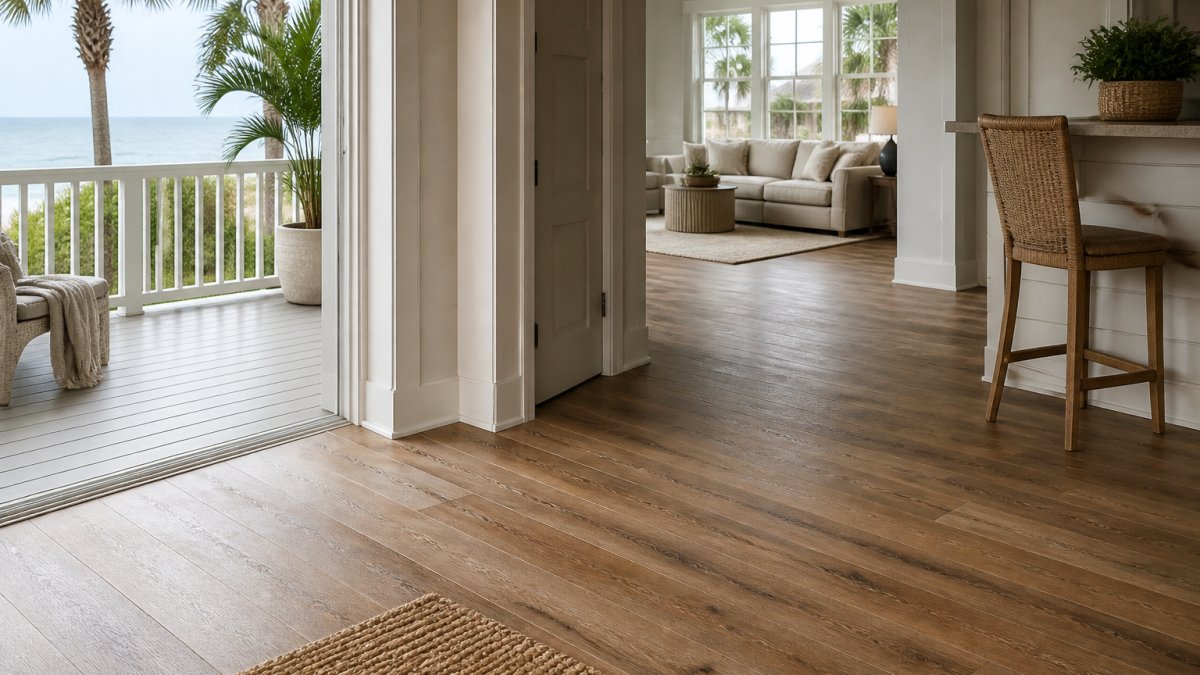
If you are managing a coastal unit, humidity and salt air raise the stakes on material selection. Vinyl and tile handle that environment far better than laminate or hardwood, and we specify accordingly. Confirm scheduling and lead times upfront rather than after the material arrives, and ask your installer to document the subfloor readings and product lot for your records.
Frequently Asked Questions
What is the most durable flooring for rental properties?
Luxury vinyl plank (LVP) is widely considered the most durable flooring for rental properties. It resists scratches, dents, and moisture, and many products carry wear layers rated for heavy residential use. Porcelain tile is similarly tough but costs more to install. For landlords prioritizing longevity and low maintenance between tenants, LVP offers the best balance of durability and upfront cost.
How long should flooring last in a rental property?
Flooring lifespan in rental properties varies by material. Carpet typically lasts 5 to 10 years, laminate 10 to 15 years, luxury vinyl plank 15 to 20 years, and porcelain tile 25 years or more. Actual lifespan depends on tenant care, foot traffic, and moisture exposure. Choosing a product with a strong wear layer and proper installation extends its useful life.
Is luxury vinyl plank or laminate better for rental properties?
Luxury vinyl plank generally outperforms laminate in rentals. LVP is waterproof, handles moisture better, and resists scratches from pets. Laminate can swell if water sits on it, making it riskier in kitchens, bathrooms, and entryways. Laminate may cost less upfront, but LVP's lower repair and replacement costs often make it the better long-term choice for landlords.
How much should landlords budget for rental property flooring?
Rental property flooring cost depends on material, square footage, and installation complexity. LVP and laminate usually fall in the low-to-mid range per square foot, while porcelain tile and engineered hardwood cost more. Request a professional estimate to get accurate numbers for your unit. Budget for installation and any subfloor prep, not just the material price.
Should landlords use the same flooring throughout a rental property?
Using the same flooring throughout a rental property simplifies maintenance and replacement. A consistent LVP or tile across living areas, kitchens, and hallways creates a unified look and lets you keep spare planks for repairs. Bedrooms may use carpet for comfort and sound absorption, but matching the main living areas reduces complexity and long-term costs.
What flooring is easiest to maintain between tenants?
Luxury vinyl plank and porcelain tile are the easiest to maintain between tenants. Both resist stains and moisture, and they clean with a damp mop. Carpet requires professional cleaning and shows wear faster in high-traffic areas. Choosing scratch-resistant, waterproof flooring reduces turnover cleaning time and helps you get the unit rent-ready sooner.