 blog
Is Luxury Vinyl Plank Better Than Hardwood for Humidity?
Last Updated: November 12, 2026
Quick Summary
Luxury vinyl plank is generally the more moisture-tolerant choice, because its synthetic layers do not absorb water the way solid wood does. Hardwood swells, cups and gaps as humidity changes, while luxury vinyl plank mostly responds to moisture getting underneath it. Neither floor is immune, so keeping indoor humidity steady still matters.
- Solid hardwood reacts to moisture by swelling and shrinking, which causes expansion, cupping and gapping.
- Check each product's stated indoor relative-humidity range before installation, since warranties may depend on it.
- Subfloor moisture causes most installation failures, so test the subfloor before any flooring goes down.
- Follow the manufacturer's acclimation period so planks reach equilibrium with indoor humidity before installation.
- Use luxury vinyl plank in moisture-prone rooms and engineered hardwood where the real wood look matters most.
Table of Contents
- Why Humidity Changes the Flooring Decision
- How Luxury Vinyl Plank and Hardwood Handle Moisture
- Best Flooring for Humid Climates: Solid Hardwood, Engineered Hardwood and LVP
- Luxury Vinyl Plank vs Hardwood for Humidity Cost
- LVP vs Engineered Hardwood Pros and Cons
- Luxury Vinyl Plank vs Engineered Hardwood Resale Value
- Choosing Your Humidity-Ready Floor and Booking a Consultation
- Frequently Asked Questions
Why Humidity Changes the Flooring Decision
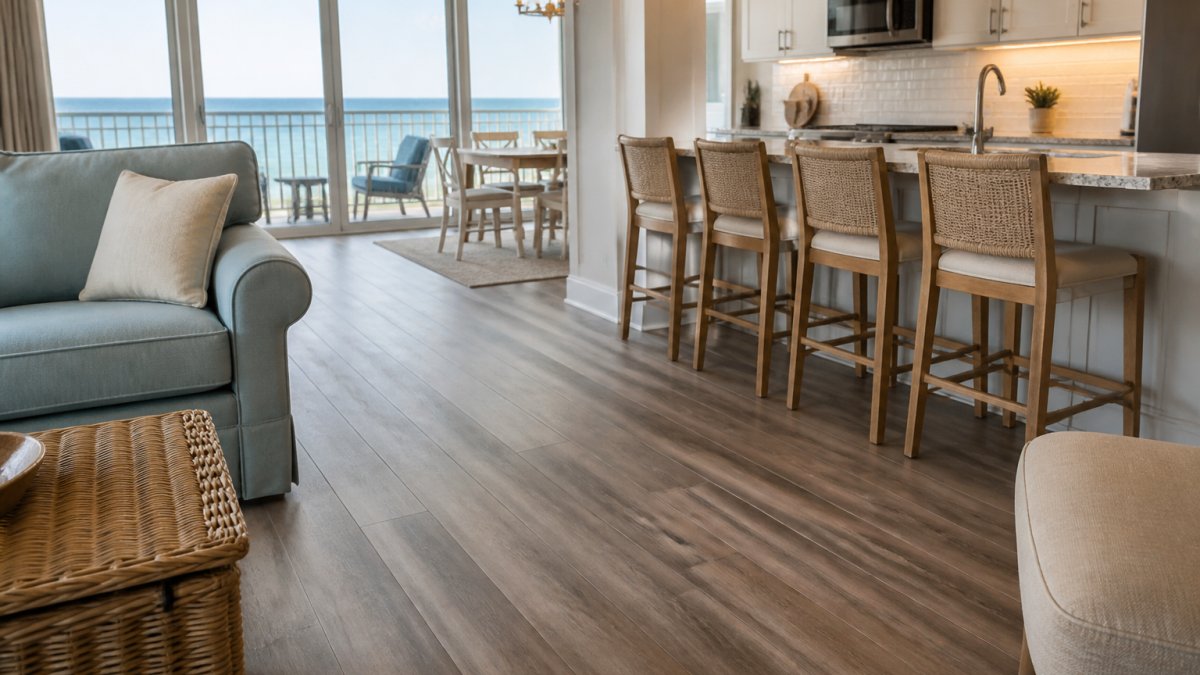
Humidity is one of the most overlooked factors in choosing a floor, and it matters most in coastal homes. A living room with large windows and a sea breeze can carry moisture into the flooring every single day. Most homeowners compare looks and price first, then discover too late that their choice doesn't handle the air around it.
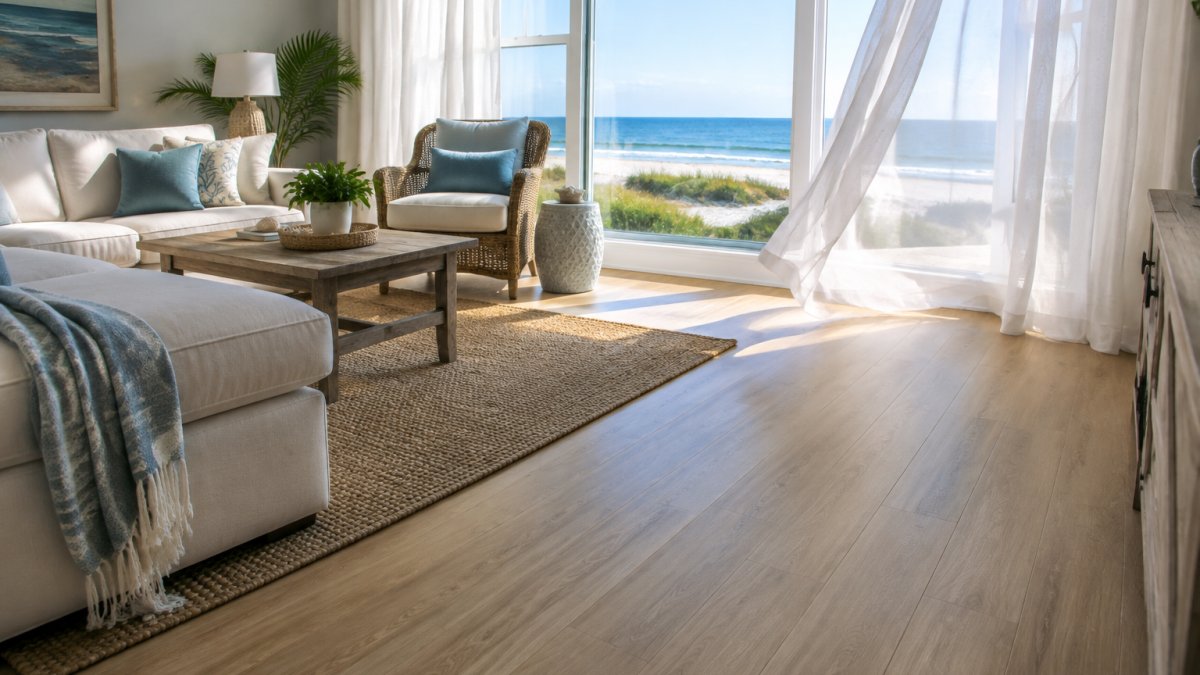
A kitchen, a sunroom and a bedroom on the same street can call for very different answers, so it helps to start by asking how each room gets used and how much moisture it sees. Here's the short version: luxury vinyl plank is generally the more moisture-tolerant option, but "more tolerant" is not the same as "immune."
How Luxury Vinyl Plank and Hardwood Handle Moisture
Solid hardwood is made from a single piece of wood, and it reacts to changes in moisture by swelling and shrinking. Engineered hardwood uses a plywood or HDF core with a real wood top layer, which makes it more stable than solid wood. Luxury vinyl plank (LVP) is a synthetic product built from layers of vinyl, so it does not absorb water the way wood does.
That difference explains most of the performance gap. Wood responds to humidity in its own material, while vinyl mostly responds to what sits on top of it or underneath it.
Expansion, Warping and Cupping in Humid Rooms
Hardwood's most common humidity problems are expansion, cupping and gapping. Boards swell when the air is damp, press against each other, and can lift at the edges. When the air dries out, they shrink and leave visible gaps. Cupping, where board edges rise above the center, often signals moisture coming from below. Learn seven steps to prevent buckling and cupping in humid rooms.
LVP avoids most of these issues because its core does not swell the way wood does. Still, planks can separate or lift if moisture gets under the floor through a subfloor leak or standing water. Tell a reader to check the subfloor and the room's moisture conditions before installation, not just the product label.
Humidity Thresholds and Indoor Climate Control
Manufacturers typically publish a target indoor relative-humidity range, and it is usually narrower for solid hardwood than for engineered hardwood or LVP. Check each product's stated range before installation. Solid wood is generally the most sensitive to humidity swings; LVP is generally the least sensitive to airborne moisture but still has limits.
That is why climate control is part of floor care, not just comfort. A dehumidifier or a properly sized air conditioner lowers indoor humidity in summer, and a humidifier adds moisture in winter when heating dries the air. The goal is steadiness: a floor that sees 40 percent humidity in spring and 40 percent in winter will move far less than one that swings from 30 to 70 percent. Check the manufacturer's stated limits before you buy, because warranty language often requires the home to stay within a specified range and may exclude damage from neglect of that range.
Watch out: A floor that performs well in a dry showroom can still fail in a home where the HVAC is undersized or the crawlspace is vented and damp, so treat the humidity range on the label as a condition of the warranty, not a suggestion.
Ambient Humidity Versus Flooding
Humidity and flooding are different problems, and articles often blur them. Ambient humidity is a steady moisture level in the air, while flooding is water sitting on the floor. LVP handles ambient humidity far better than solid hardwood, but a flood can damage either product: water can wick under planks, trap moisture in the subfloor, and cause mold or adhesive failure regardless of the surface material.
Running a dehumidifier or air conditioner to keep indoor humidity steady protects any floor, and the product's warranty may depend on it. Check the manufacturer's stated limits before you buy.
Best Flooring for Humid Climates: Solid Hardwood, Engineered Hardwood and LVP
For most humid homes, the choice comes down to three options. Solid hardwood gives the most authentic wood look and can be refinished, but it is the least forgiving in moisture. Engineered hardwood offers a middle ground, with more stability than solid wood and a real wood surface. Comparisons of the materials describe engineered hardwood as more moisture-resistant than solid hardwood, though it does not match LVP's waterproof performance.
| Flooring Type | Humidity Resistance | Best For |
|---|---|---|
| Solid hardwood | Lowest | Dry rooms, buyers who want real wood |
| Engineered hardwood | Moderate | Mixed-use rooms with some moisture |
| Luxury vinyl plank | Highest | Kitchens, bathrooms, sunrooms, beach homes |
Our recommendation for most coastal homes is LVP in moisture-prone rooms and engineered hardwood where the wood look matters most and humidity is moderate. Solid hardwood is a harder sell in high-humidity spaces.
Luxury Vinyl Plank vs Hardwood for Humidity Cost
Cost is where many buyers start. Compare seven of the best luxury vinyl plank brands by price tier. Final pricing depends on the product, the subfloor, the room layout and the installation work. See what LVP installation typically costs in your area. Request a quote for your specific project to see current pricing from Floor Coverings International of Myrtle Beach. Also consider lifetime cost: a floor that stays stable in humid air may avoid repairs that a warped hardwood floor would need.
LVP vs Engineered Hardwood Pros and Cons
LVP pros: It handles humidity well, installs over many subfloors, and costs less in most comparisons. It's a practical choice for kitchens, baths and sunrooms.
LVP cons: It can't be refinished like wood, and a damaged plank usually means replacement. Some homeowners also find its look less authentic.
Engineered hardwood pros: It offers a real wood surface, can often be refinished once or twice depending on the wear layer, and adds more natural warmth to a room.
Engineered hardwood cons: It is less moisture-proof than LVP and needs more care in humid or wet spaces.
Subfloor Moisture Testing Before Either Floor Goes Down
Most installation failures blamed on the flooring are actually subfloor moisture problems, and the fix is the same whether you choose LVP or engineered hardwood. Test the subfloor before installation, and check the acceptable moisture limits your flooring manufacturer publishes, since exceeding them can void the warranty.
Follow your manufacturer's list of approved underlayment and installation methods rather than mixing systems.
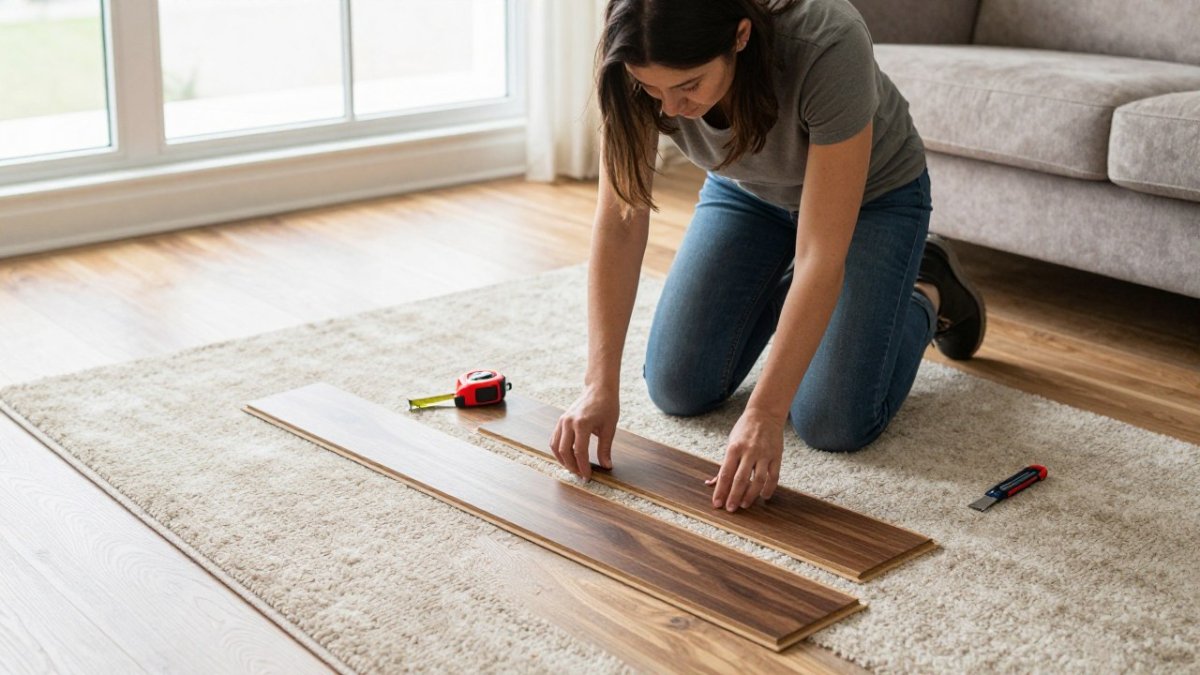
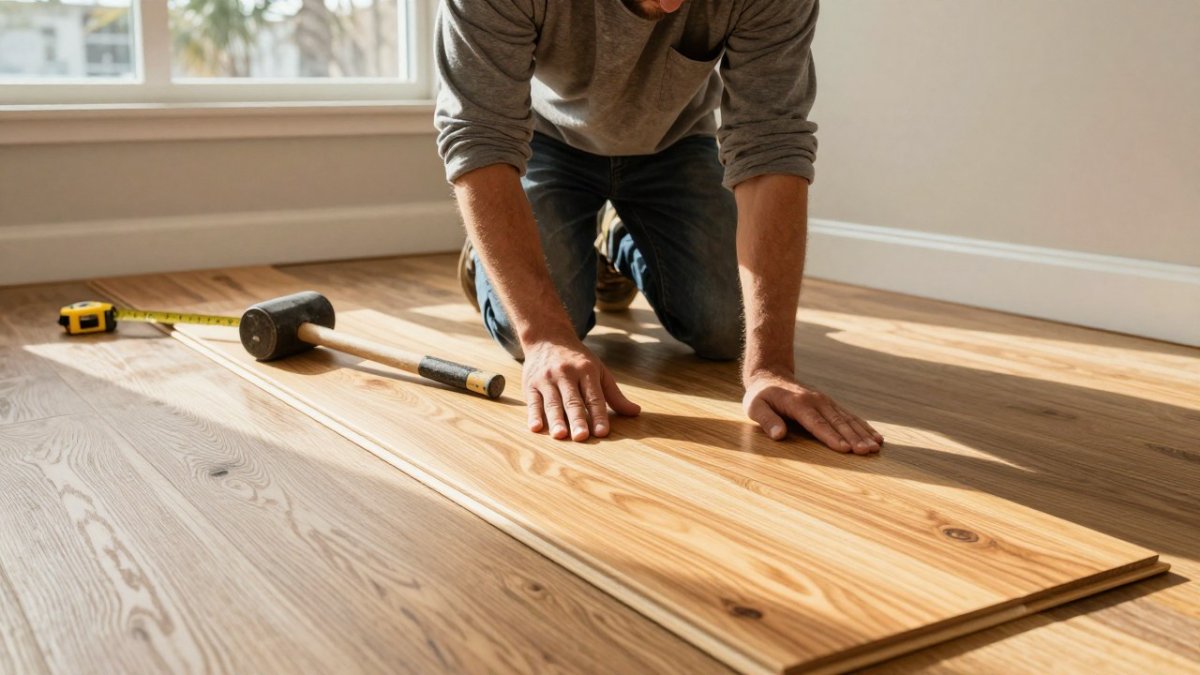
Acclimation matters too. Follow the acclimation period and conditions stated by the manufacturer, since the planks need to reach equilibrium with the indoor humidity before installation.
Watch out: Don't install either floor over a damp subfloor. Test the moisture level before installation, because a floor that performs well in a dry room can still fail when the base underneath stays wet.
Luxury Vinyl Plank vs Engineered Hardwood Resale Value
Resale value depends on the buyer, the market and the condition of the home. Real hardwood, including engineered hardwood with a real wood top, is often perceived as a premium feature by some buyers. LVP is widely accepted, especially in moisture-prone spaces.
The cleanest answer for a home you plan to sell is to match the flooring to the rooms it serves. Use LVP where moisture is a real concern and consider engineered hardwood for living areas where buyers expect wood.
Choosing Your Humidity-Ready Floor and Booking a Consultation
Start with the room, not the product. Measure how much moisture the space sees, check the subfloor, and decide whether the look of real wood is worth the extra care. For most humid rooms, LVP is the safer bet. For drier living areas, engineered hardwood can deliver a warmer look with reasonable stability.
A consultation helps you avoid expensive mistakes. A consultation lets you review your rooms and discuss the moisture conditions you face. Read the homeowner's guide to moisture-resistant flooring for beach homes before you book. Lighting in your own home can look different from a showroom sample.
Get a free estimate from Floor Coverings International of Myrtle Beach. We'll help you pick a floor that handles coastal humidity and fits how your home is used.
Frequently Asked Questions
Is luxury vinyl plank flooring waterproof?
Luxury vinyl plank is highly moisture-resistant, and many products are rated waterproof at the surface, but that does not mean every installation is protected. Water that sits on seams, gets under the planks, or reaches an unsealed subfloor can still cause damage. Product-specific warranties often exclude standing water and improper installation, so check the manufacturer's warranty before buying. Ambient humidity is generally well tolerated, while flooding and prolonged water exposure are not.
Can humidity cause hardwood floors to warp or buckle?
Yes. Solid hardwood is made of natural wood that absorbs and releases moisture as relative humidity changes, causing it to expand, cup, gap, or buckle. Engineered hardwood handles humidity better because its layered core is more dimensionally stable, but it is still not as moisture-tolerant as luxury vinyl plank. Keeping indoor humidity in a stable range helps protect any wood product. Consider a dehumidifier in coastal homes.
Is luxury vinyl plank a better choice than hardwood for humid rooms?
For bathrooms, laundry rooms, basements, and rooms near the coast, luxury vinyl plank is usually the more practical choice because it resists swelling and cupping. Hardwood can work in humid areas with good climate control, but it requires more monitoring. Ask your installer about subfloor moisture testing before any installation.
Does luxury vinyl plank need an acclimation period before installation?
Acclimate luxury vinyl plank in the room where it will be installed, following the manufacturer's stated period and storage instructions. Acclimation helps the planks reach the temperature and humidity of the space. Follow the specific instructions printed on your product's packaging or technical data sheet, since requirements vary by manufacturer. Subfloor moisture testing is also important before installation.