 How-to
How to Maintain New Hardwood Floors for Lasting Shine
Last Updated: November 19, 2026
Quick Summary
To maintain new hardwood floors, wait until the finish cures before mopping, then sweep or dust mop daily and clean only with a pH-neutral, water-based cleaner made for sealed wood. Keep indoor humidity between roughly 35% and 55% and wipe spills promptly with a dry cloth.
- Light foot traffic is typically allowed after 24 hours, once the finish is dry to the touch.
- Heavy furniture should go down after 48 to 72 hours and be lifted, never dragged.
- Vacuum on the bare-floor setting with the beater bar switched off to avoid scuffs.
- Skip oil soap, wax, and polish, which build up and trap dirt on the finish.
- A recoat adds a fresh layer of finish without sanding down to bare wood.
Table of Contents
- Your First Weeks: How to Care for Hardwood Floors After Installation
- The Weekly Routine That Keeps New Hardwood Floors Clean
- Choosing Hardwood Floor Cleaning Products That Protect the Finish
- How to Maintain New Hardwood Floors in Winter and Coastal Humidity
- Protecting New Floors from Scratches, Spills, Pets, and Sunlight
- How to Recoat Hardwood Floors Before Wear Sets In
- Do's and Don'ts for New Hardwood Floor Care
- Schedule a Free In-Home Flooring Consultation
- Frequently Asked Questions
Your First Weeks: How to Care for Hardwood Floors After Installation
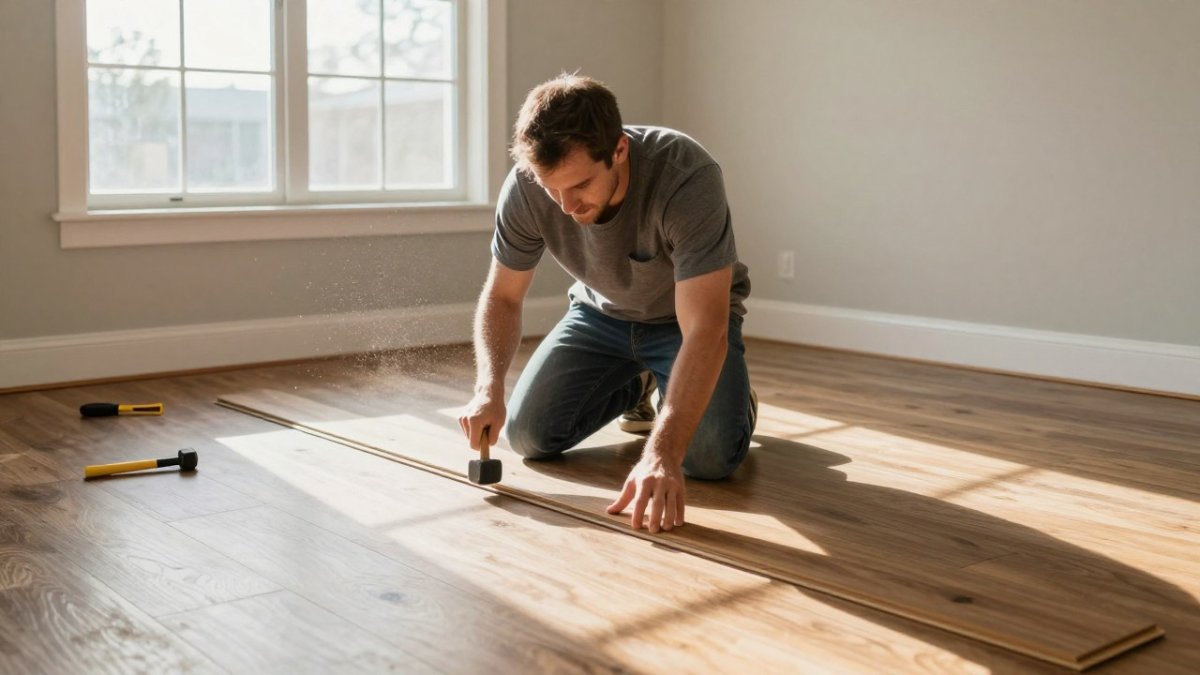
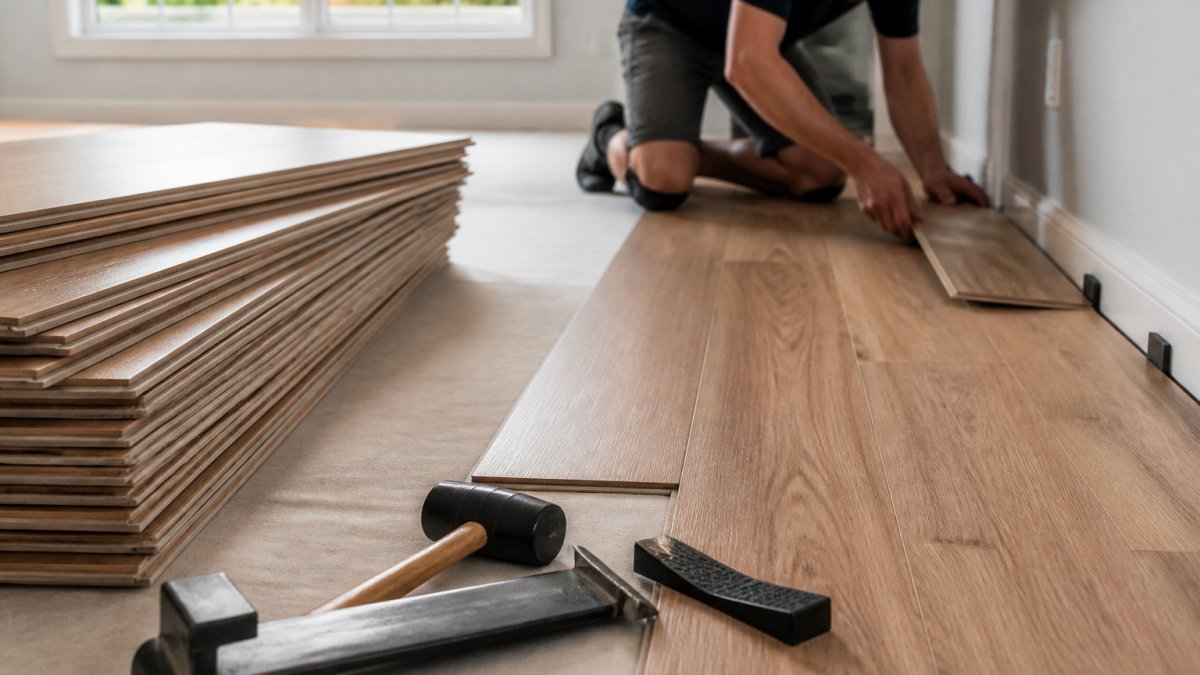
Learning how to maintain new hardwood floors starts before the first footprint. New floors are not fully settled, and the finish needs time to cure. Rush that window and you risk scuffs, trapped moisture, and dull spots that never buff out.
This guide from Floor Coverings International of Myrtle Beach walks through the first weeks, the weekly routine, and the seasonal care that keeps a new floor looking new. Because coastal humidity runs high, moisture control matters in every recommendation.
Here is the good news. Most floor damage comes from a handful of habits, and all of them are easy to change.
Wait Times Before Walking, Moving Furniture, and Mopping
The finish on a new hardwood floor needs time to harden. Most manufacturers print a cure window on the carton or in the care sheet. Follow that sheet over any general advice, including ours.
Typical guidance looks like this:
- Walking: light foot traffic after 24 hours, once the finish is dry to the touch
- Furniture: heavy pieces after 48 to 72 hours, lifted not dragged
- Rugs: after the finish has cured, often a few days
- Mopping: only after the cure window closes, and only with a damp cloth
Watch out: dragging a sofa across a floor that is still curing can leave a scratch you cannot buff out. Lift and carry instead.
Match Your Routine to Solid, Engineered, and Factory-Finished Floors
Not every hardwood floor reacts the same way. Solid wood, engineered wood, site-finished, and factory-finished floors each have different limits.
- Solid wood: thick wear layer, can be sanded and refinished multiple times
- Engineered wood: real wood top layer over a plywood core, less tolerant of standing water
- Site-finished: sanded and sealed in the home, so the finish cures on site
- Factory-finished: sealed at the plant with a hard, uniform coating
The key question is what finish sits on top. Ask your installer, or check the care sheet. That answer decides which wood floor cleaner you can safely use.
The Weekly Routine That Keeps New Hardwood Floors Clean
A simple weekly routine keeps new hardwood floors clean without wearing down the finish. The order matters more than the effort: dry first, then damp, never wet.
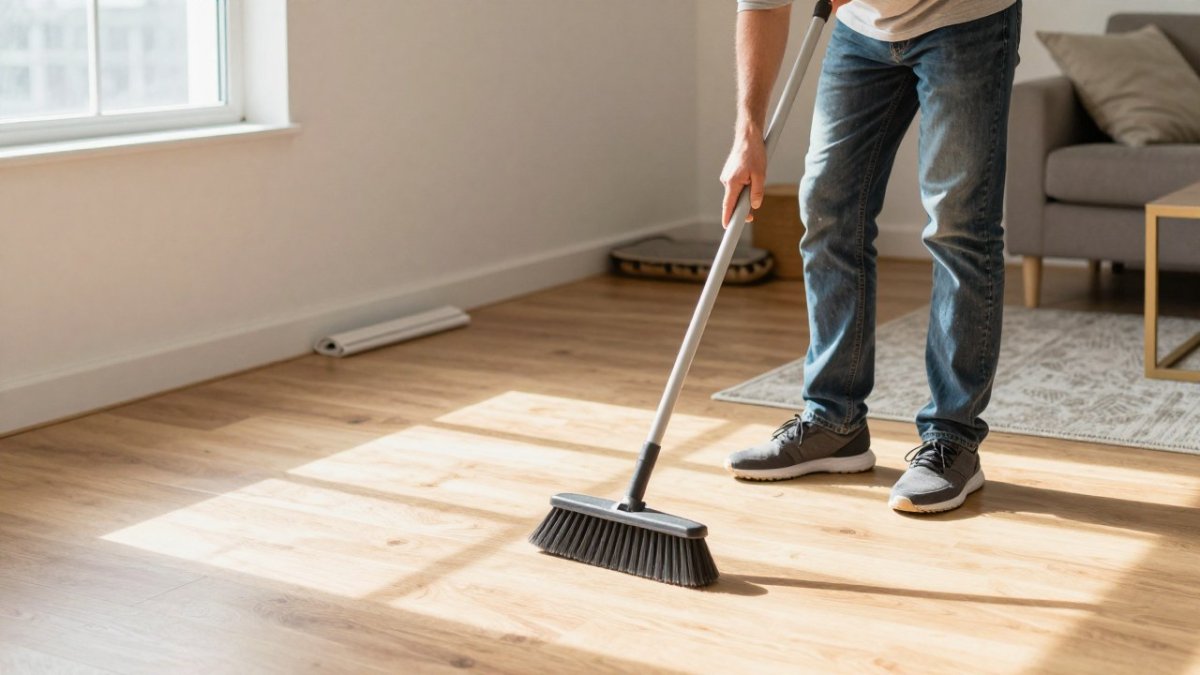
Cleaning too often can strip the protective finish and cause premature wear. Skipping a dry sweep before mopping is one of the most damaging habits homeowners fall into. The lesson: gentle cleaning done consistently beats aggressive cleaning done often.
Sweep and Dust Mop Before Anything Wet Touches the Floor
Grit is the enemy. Sand, dust, and dirt buildup act like sandpaper under every step. A soft-bristle broom or a microfiber dust mop lifts that debris before it grinds into the finish.
Do this daily in high-traffic areas and at least twice a week elsewhere. It takes two minutes and protects the finish more than any product you can buy.
Vacuum on the Bare-Floor Setting Only
A vacuum on the bare-floor setting pulls grit out of seams and corners a broom misses. Switch off the beater bar first. A spinning brush on a wood floor can scuff the finish in seconds.
Use a soft brush attachment along baseboards. Empty the canister often so you are not spreading dust back around.
Choosing Hardwood Floor Cleaning Products That Protect the Finish
The best hardwood floor cleaning products are pH-neutral, water-based, and made for sealed wood. Skip oil soap, wax, and anything labeled for tile or vinyl.
Check the label for three things:
- pH-neutral formula: harsh cleaners dull the finish over time
- Made for sealed hardwood: products for unfinished wood behave differently
- No wax or polish: these build up and trap dirt
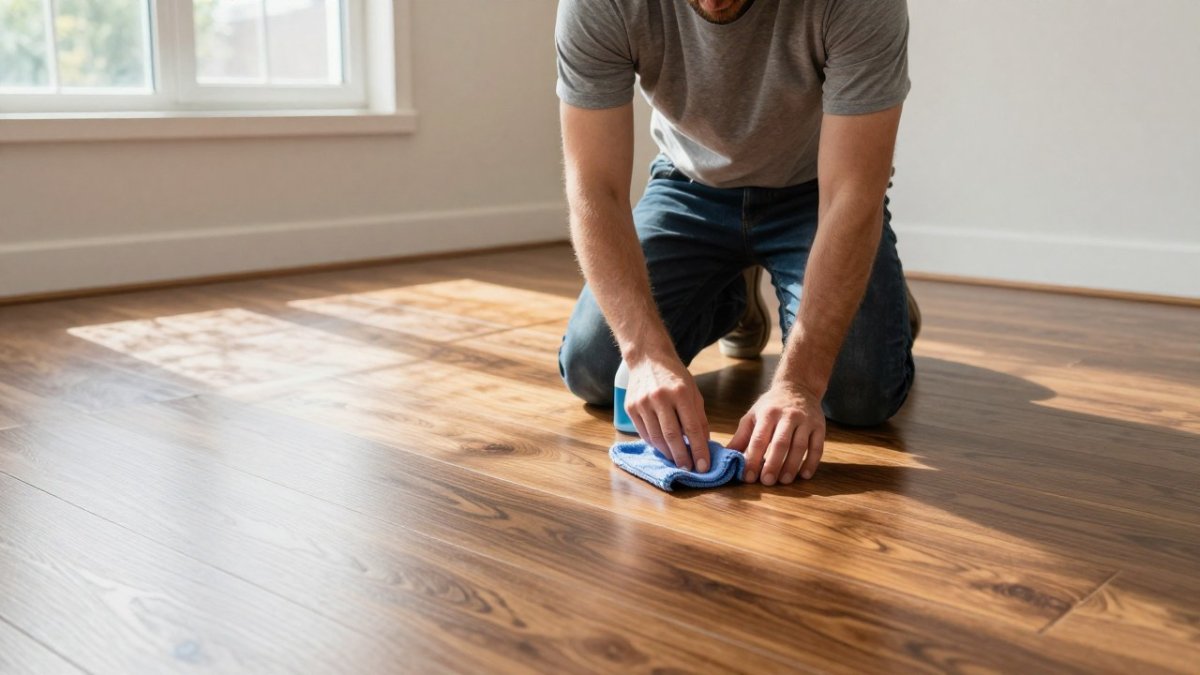
Test any new cleaner in a closet or corner first. Apply a small amount with a slightly damp cloth, let it dry, and check for haze or dulling. If the finish looks cloudy, stop.
Watch out: a cleaner that works on one finish can damage another. A site-finished floor and a factory-finished floor may need different products, so confirm compatibility before you buy a full bottle.
How to Maintain New Hardwood Floors in Winter and Coastal Humidity
Seasonal swings do more damage to wood floors than foot traffic does. Wood expands when air is damp and shrinks when it dries out. In a coastal home, that swing happens fast.
Indoor humidity between roughly 35% and 55% keeps wood stable. A hygrometer costs little and tells you when to act.
- Humid months: run the air conditioning and a dehumidifier to hold moisture down
- Dry months: a whole-home humidifier or a few room units reduce gapping
- Winter: wipe up tracked-in slush and salt right away, and use entry mats
For a closer look at how coastal air affects wood, read our guide to flooring for humid coastal homes. If boards already show cupping or lifting, our steps to prevent flooring buckling in humidity walk you through the fix.
Protecting New Floors from Scratches, Spills, Pets, and Sunlight
Protection is cheaper than repair. A few low-cost habits prevent most scratches, stains, and fading.
- Furniture pads: felt pads on every leg, replaced when worn
- Entry mats: placed inside and outside each exterior door
- Protective rugs: in high-traffic paths, with a breathable rug pad underneath
- Pet nails: trimmed regularly, and a mat under food and water bowls
- Sunlight: close blinds during peak hours, since UV light causes color change over time
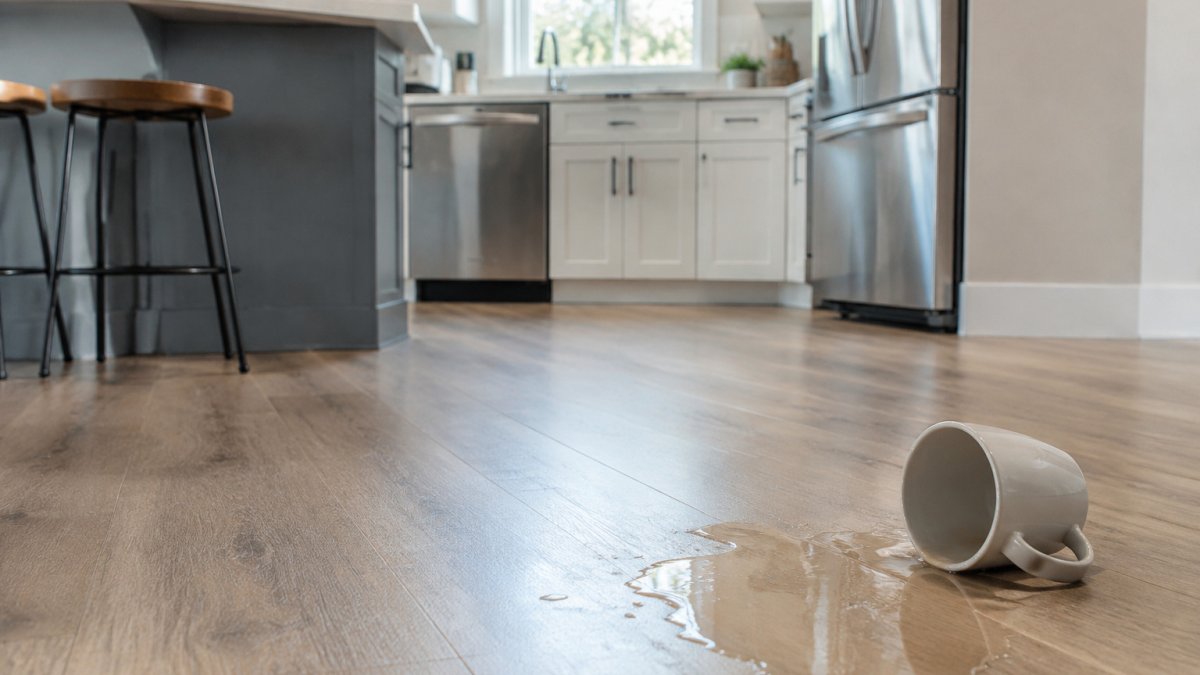
Clean spills promptly with a dry cloth, then a slightly damp cloth. Never let water sit. Pet owners can find breed-specific advice in our guide to choosing pet-friendly flooring for dogs.
How to Recoat Hardwood Floors Before Wear Sets In
A recoat adds a fresh layer of finish without sanding the floor down to bare wood. It restores shine and buys years before a full refinish is needed.
Recoating works best on a clean, lightly scuffed floor with an intact finish. The process:
- Clear the room and clean the floor thoroughly
- Screen the surface lightly to dull the old finish
- Vacuum all dust, then tack with a microfiber cloth
- Apply the compatible finish in thin, even coats
- Stay off the floor for the full cure time
Call a professional if you see deep scratches, gray patches, or boards that move underfoot. Those signal wear below the finish, and a recoat will not fix them.
Do's and Don'ts for New Hardwood Floor Care
Keep this list where you will see it. These habits cover most of what determines how long a new floor lasts.
| Do | Don't |
|---|---|
| Sweep or dust mop daily | Use a wet mop or excess water |
| Use a pH-neutral wood floor cleaner | Use oil soap, wax, or polish |
| Wipe spills with a dry cloth right away | Let water sit on the floor |
| Use felt pads under furniture | Drag furniture across the floor |
| Vacuum on the bare-floor setting | Run a beater bar on wood |
| Keep indoor humidity stable | Ignore seasonal moisture swings |
| Use entry mats and protective rugs | Wear shoes with grit or cleats indoors |
For a deeper discussion of finish care, the National Wood Flooring Association's consumer resources cover cleaning and finish identification in detail. Bona's Floorcast 2026 trend report also notes that three-quarters of American homeowners would rather restore their existing wood floors than replace them, which makes good floor care worth the effort.
Schedule a Free In-Home Flooring Consultation
Every floor is different, and so is every home. A care plan that fits your finish, your climate, and your household beats generic advice every time.
At Floor Coverings International of Myrtle Beach, we offer in-home flooring consultations. Contact us for a free estimate. Curious why that beats a showroom visit? Read why in-home flooring consultations beat showroom visits. You can also explore our full flooring selection and services online.
Your new floors deserve more than guesswork. Let us help you protect the investment with a care plan built for your home and your coastal climate, backed by our premium flooring options and dedicated service from consultation to installation. Get started with Floor Coverings International of Myrtle Beach and keep your new hardwood floors shining for years.
Frequently Asked Questions
How long do you have to stay off new hardwood floors?
For most site-finished floors, plan to stay off the surface for at least 24 hours and keep heavy furniture off for 48 to 72 hours, though your installer's written guidance overrides any general rule. Factory-finished floors usually allow light foot traffic the same day. Wait roughly a week before damp mopping, and never drag furniture across fresh finish. If you had a water-based finish applied, humidity in a coastal home can stretch those windows slightly, so confirm the exact timeline with your installer.
How often should you clean new hardwood floors?
Sweep or dust mop high-traffic rooms daily, vacuum the whole floor weekly, and damp mop every one to two weeks with a cleaner made for hardwood. Cleaning more aggressively than that can strip the protective finish and cause premature wear, and skipping the dry sweep before mopping grinds grit into the surface. In beach homes with sand tracked in, add a second dry pass on entry paths. Spot-clean spills immediately rather than waiting for the next scheduled cleaning day.
Can you use water or vinegar to clean hardwood floors?
Plain water and vinegar both work against you on hardwood. Vinegar is acidic enough to dull a polyurethane finish over time, and standing water seeps into seams, swelling boards and staining edges. Use a pH-neutral hardwood floor cleaner applied to a microfiber mop, misted lightly, then dried within a minute or two. If a spill needs more than a slightly damp cloth, wipe it up and dry the area immediately. Oil soap is another product to skip on modern finishes because it leaves a film that traps dirt.
When should hardwood floors be recoated?
Recoat when the finish shows dull patches in traffic lanes but the wood itself is not yet gray or scratched through. A quick water-drop test helps: if water beads on the surface, the finish is intact; if it soaks in within a few minutes, it is time to talk to a professional about screening and recoating. Most homes land in the three-to-seven-year range depending on foot traffic and pets. Recoating early can cost less than a full sand and refinish.